
Comfort Inside
Whatever The Weather Outside
Better Insulate Your Home With Foam

Prepare Today For A
Cool Home This Summer

125,000+ Homes Serviced,
35+ Years of Service
Should you reinsulate your home?
Fill out these questions to tell us what comfort issues you're having in your home—we'll help you evaluate your options and show you some next steps!
38+
Years of Service
125,000+
Homes Served
62
Convenient Locations
Premium Foam Insulation and
Quality Whole Home Insulation Nationwide
USA Insulation™ provides whole-home insulation solutions nationwide with our proprietary USA Premium Foam® Insulation. Our injection foam provides incredible benefits by creating a solid barrier between your home and the outside environment - a barrier that's extremely efficient and packed with other benefits.
America's Comfort, Savings & Energy
Efficiency Experts
USA Insulation provides whole-home insulation solutions nationwide with our proprietary USA Premium Foam Insulation. Our injection foam provides incredible benefits by creating a solid barrier between your home and the outside environment.
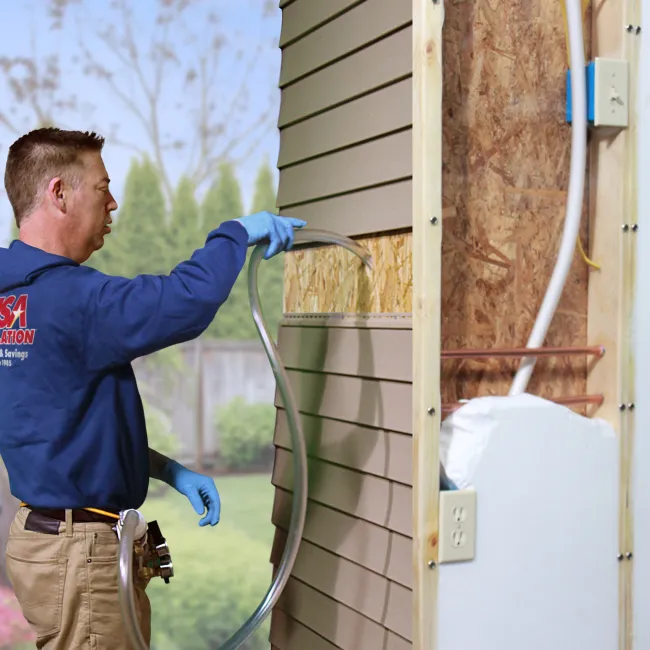
Injection Wall Foam
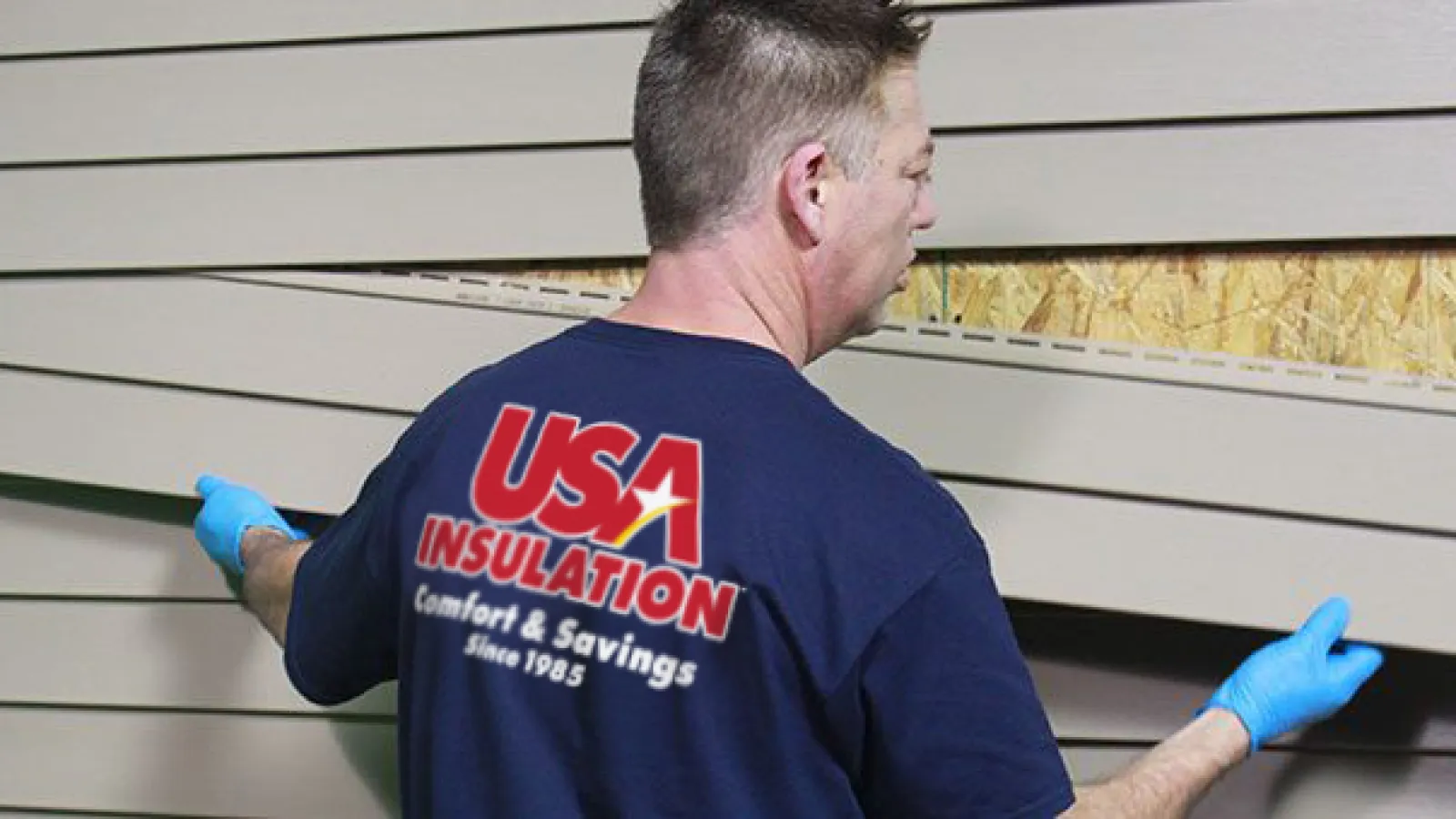
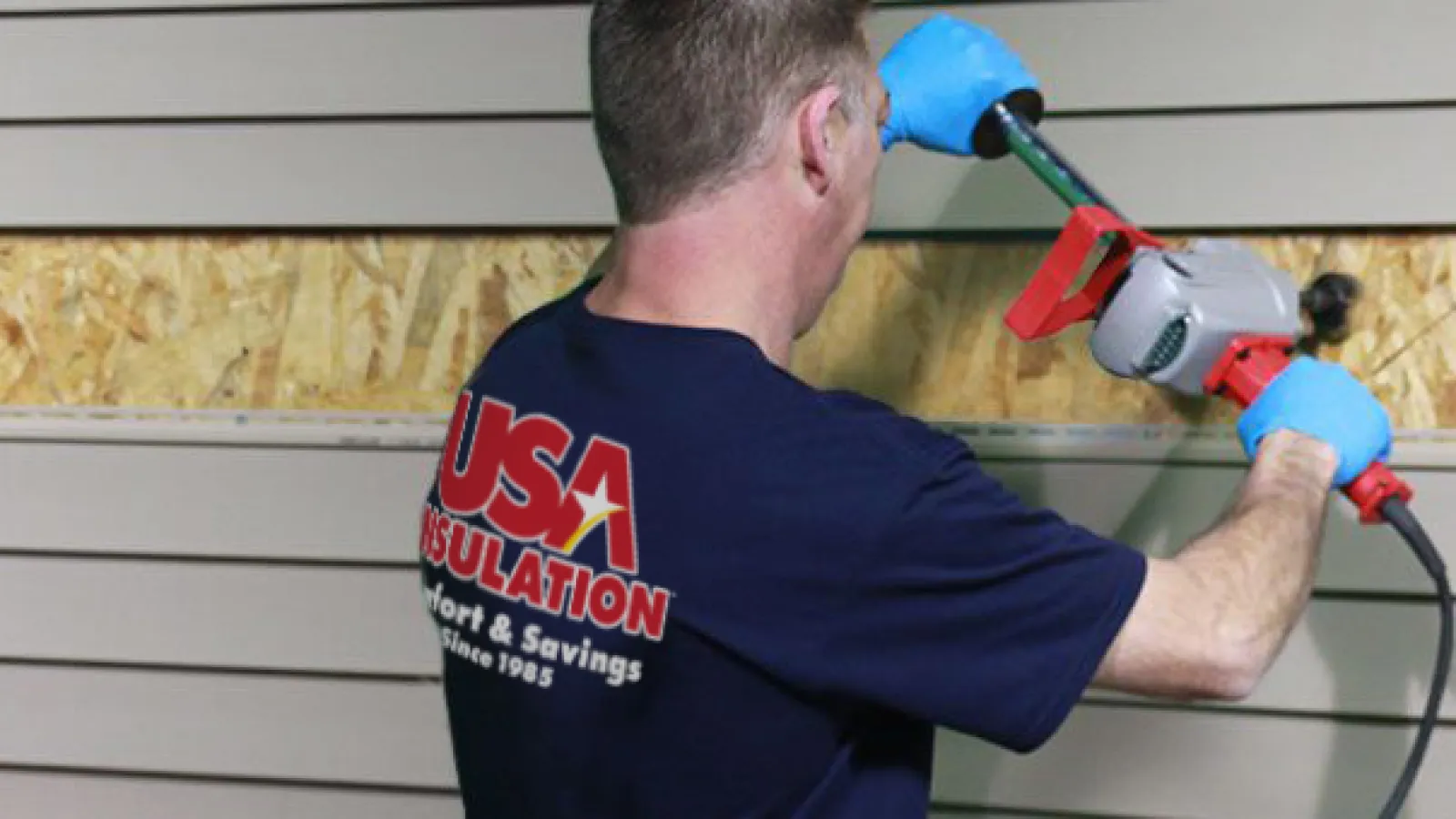
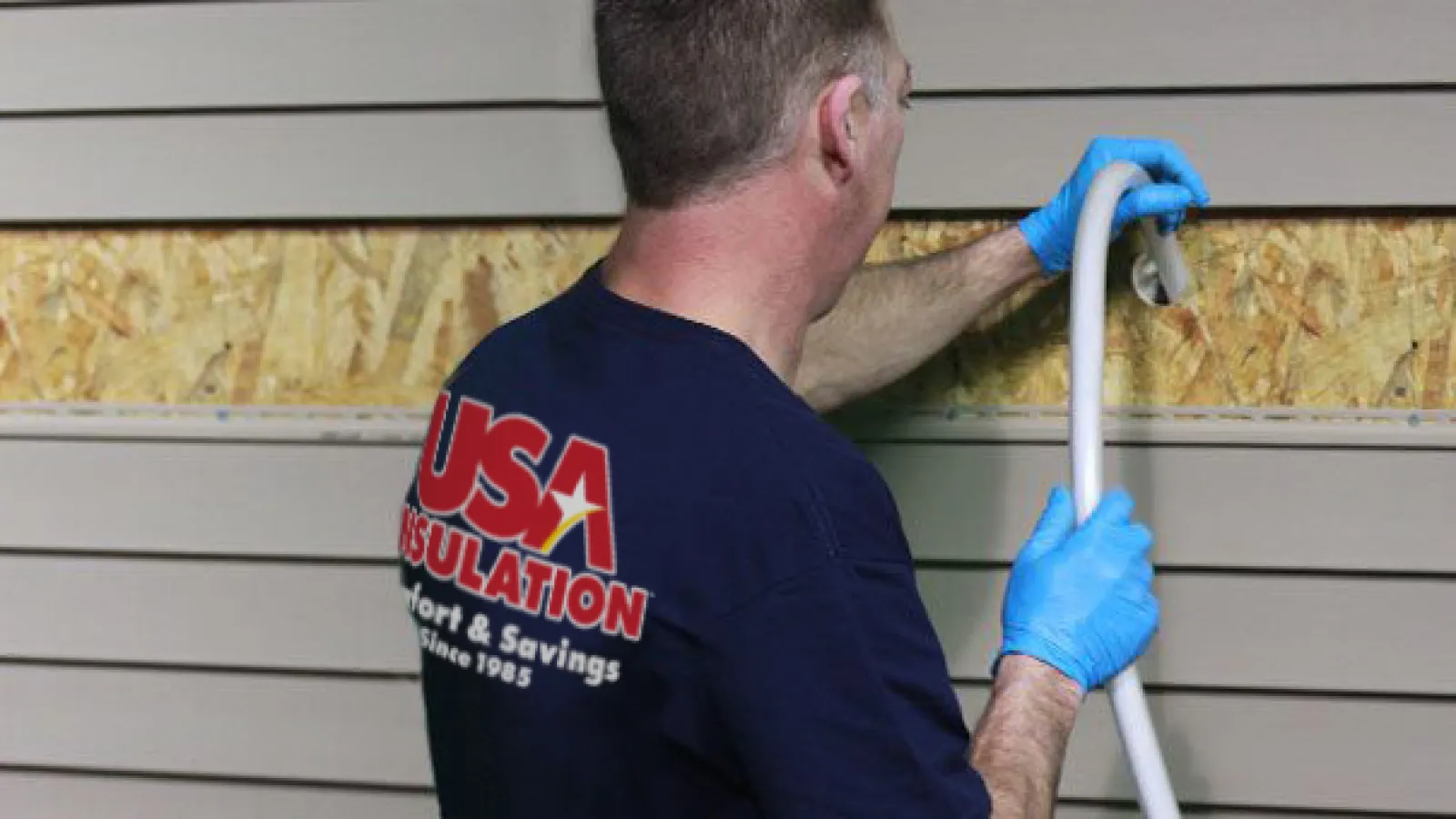
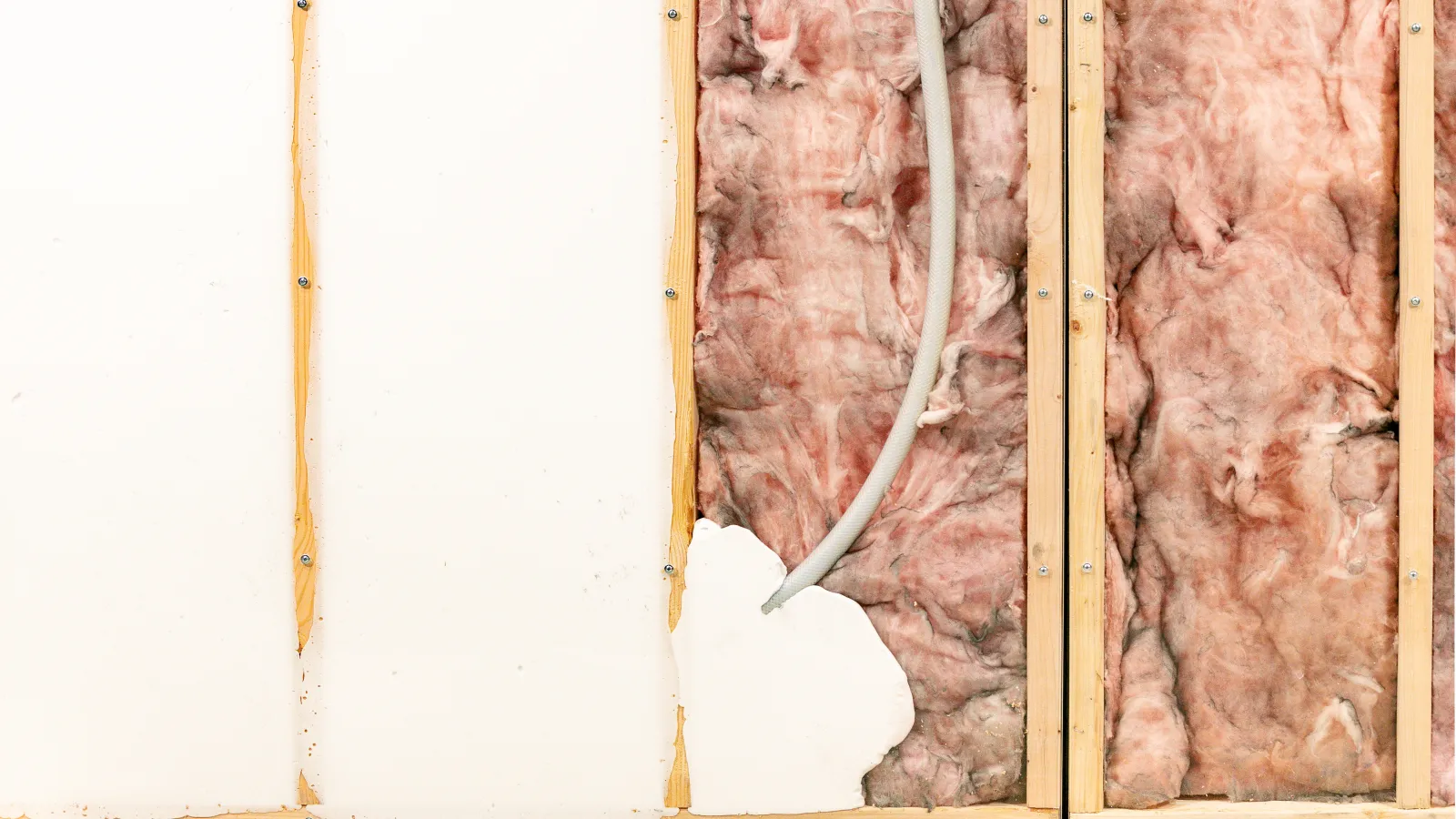
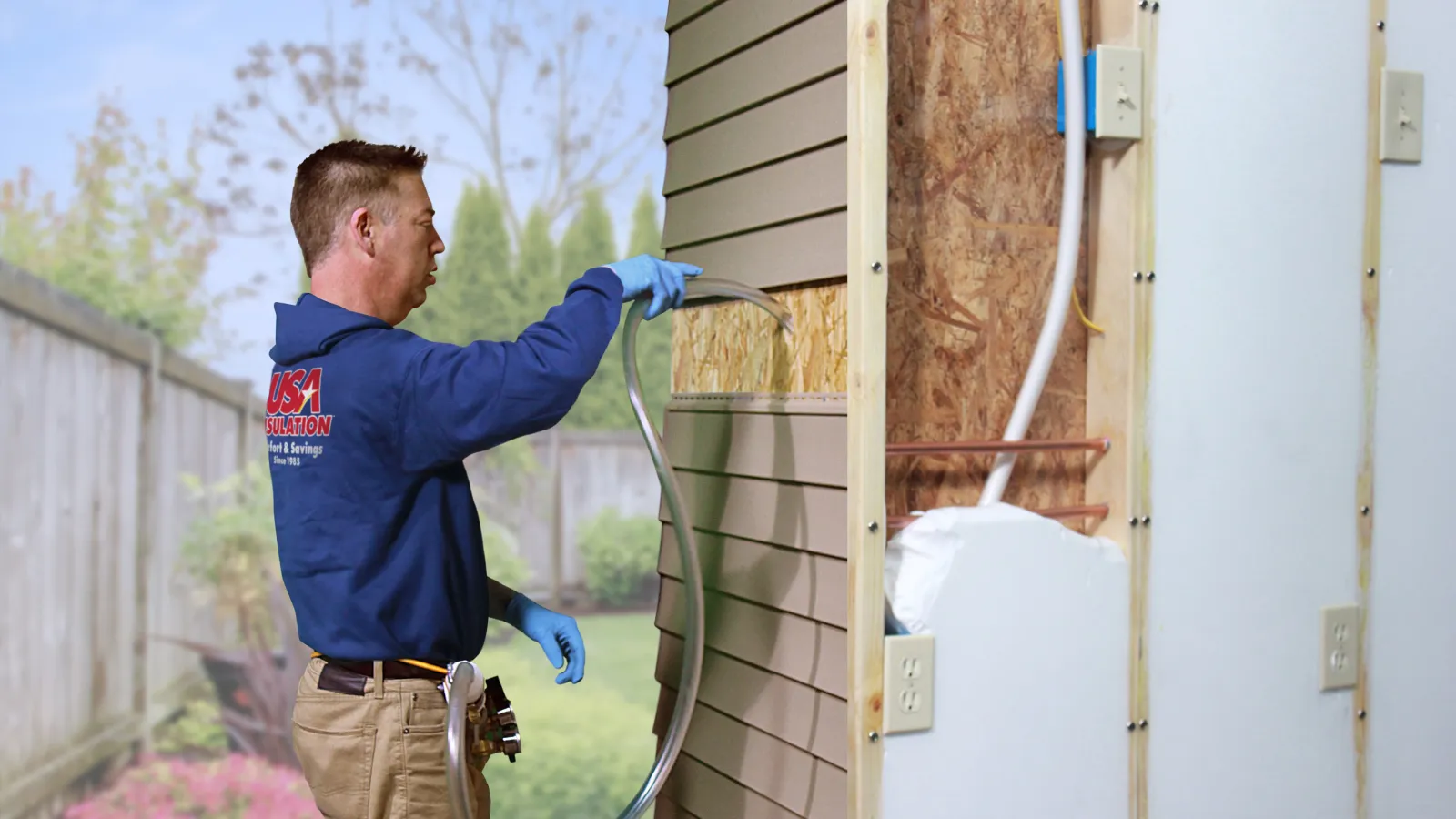
Used on both exterior walls and interior walls, USA Premium Injection Foam is second to none. It is injected into wall spaces with a fast application process, filling cracks and crevices that most other insulation products can't. The insulation fills spaces behind electrical and phone wires, pipes, electrical outlets, and other areas for maximum efficiency.
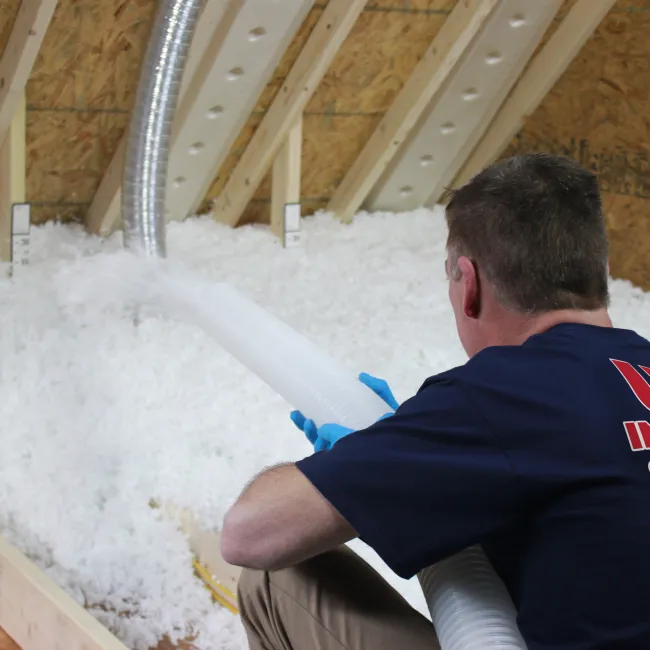
Blown-In Attic Insulation
When your attic is not properly insulated and ventilated, you can lose conditioned air quickly, making your home more difficult - and more expensive - to keep comfortable during the winter as well as the summer. In addition to letting heat escape during the cold winter months, a poorly insulated attic is a major contributing factor in the formation of ice dams, icicles, and mold growth, which can be both a health and safety hazard for your family and your property.
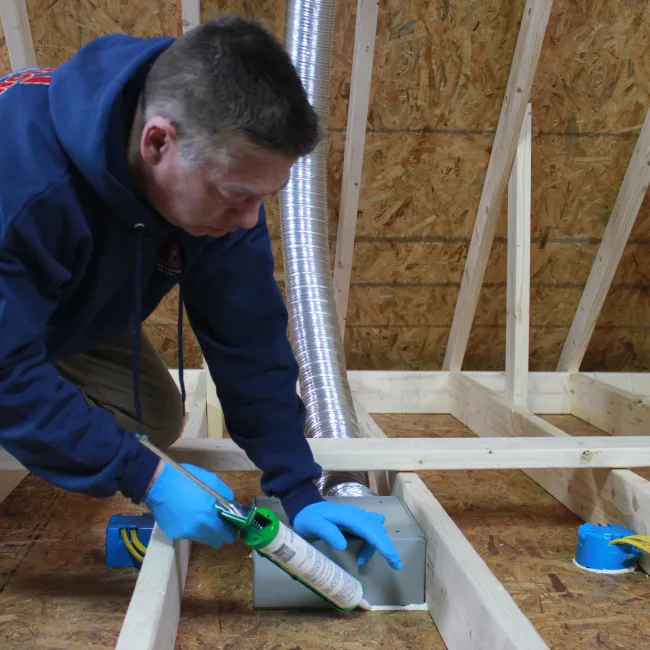
Air Sealing
Our highly skilled, trained, and experienced energy and insulation experts can come to your home to conduct our "Search and Seal" procedure. This process finds and targets the leaks that are hurting your home's energy efficiency, and seals them off for energy use reduction!
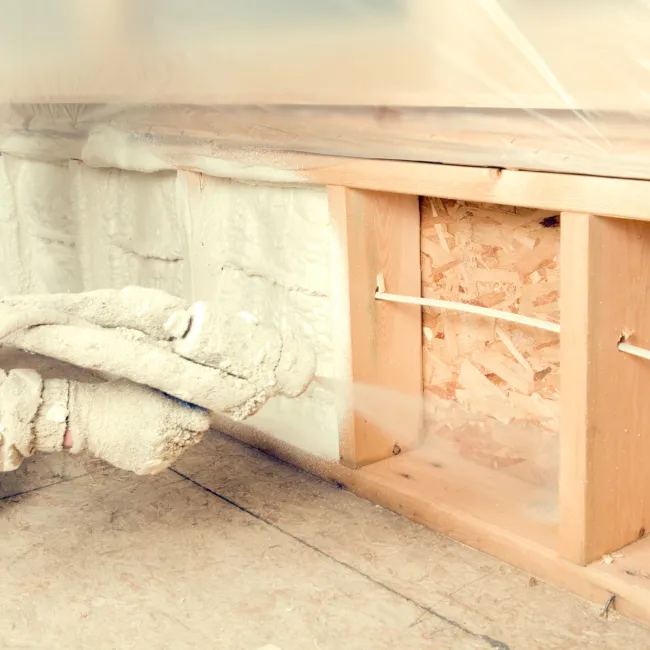
Spray Foam
Spray polyurethane foam (SPF) is an innovative foam plastic substance that is sprayed onto an open surface in paint-like form and then expands to create an insulating barrier against wind and outside temperatures. Once the insulation sets, it expands to create an insulation barrier against extreme temperatures and moisture.
*This is a representation only and may not be exact.

Ready for a more comfortable home?
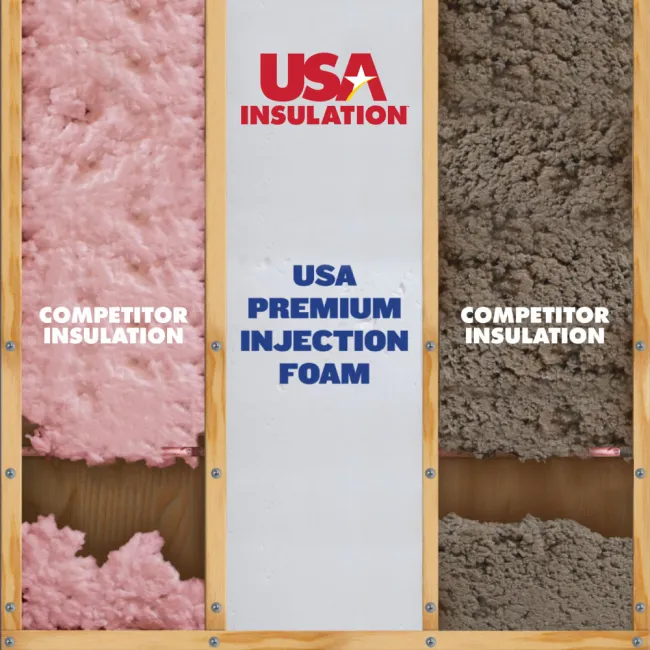
What's In Your Walls?
See the Difference.
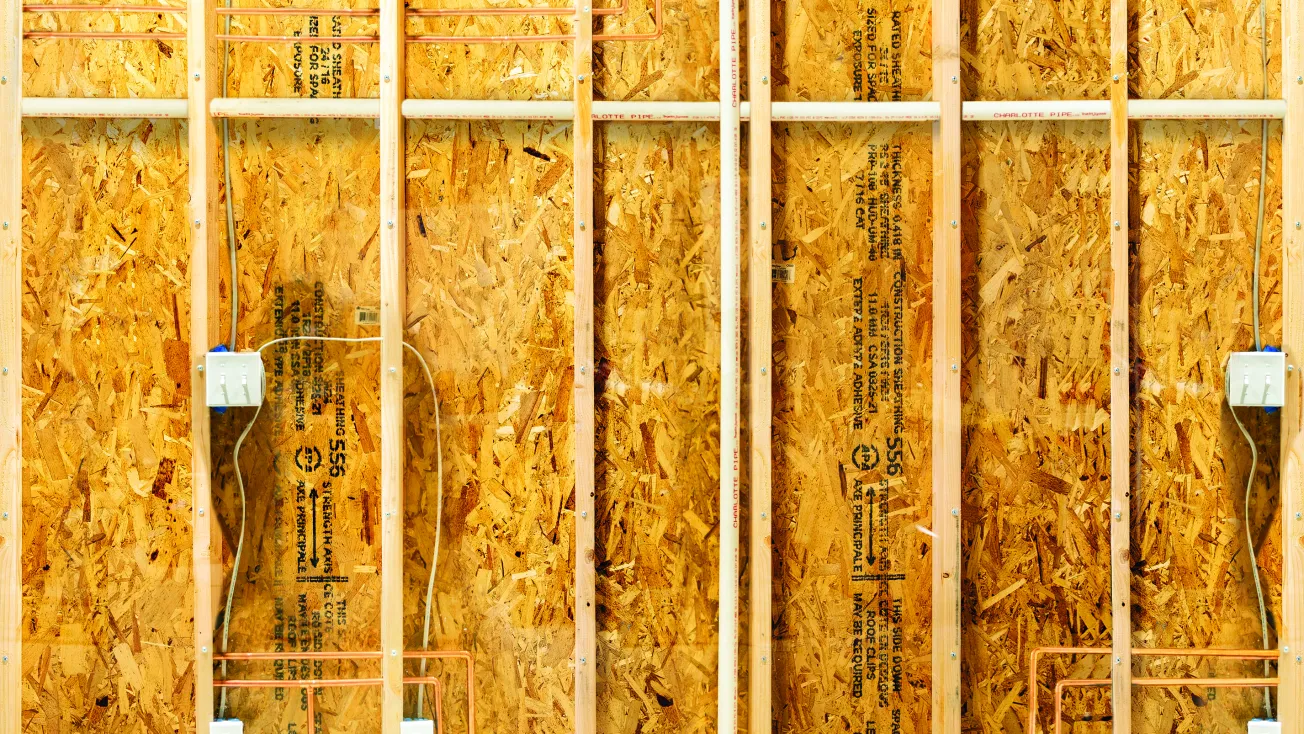
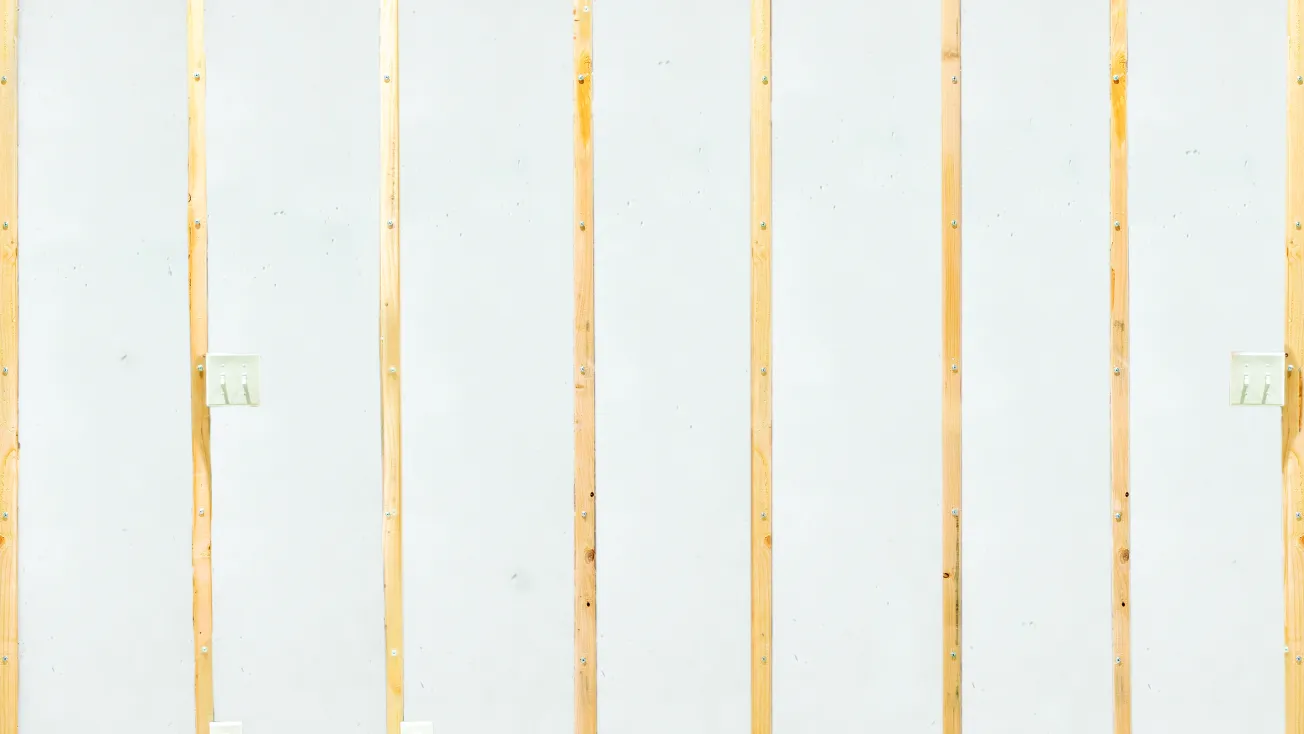
Move the yellow circle to see the difference!
If your home was built before 1980, that automatically makes you one of the 77 million Americans whose homes are insufficiently insulated, if they are insulated at all. Prior to 1980, there were no building codes for insulation minimums.
*This is a representation only and may not be exact.
Your Residential & Commercial
Insulation Experts
10%
Energy Loss Through Windows
25%
Energy Loss Through Attic
35%
Energy Loss Through Walls
*15% of energy is lost through the basement & floor
Your Walls Waste More Energy Than You Think
If your home was built before 1980, that automatically makes you one of the 77 million Americans whose homes are insufficiently insulated, if they are insulated at all. Prior to 1980, there were no building codes for insulation minimums.