
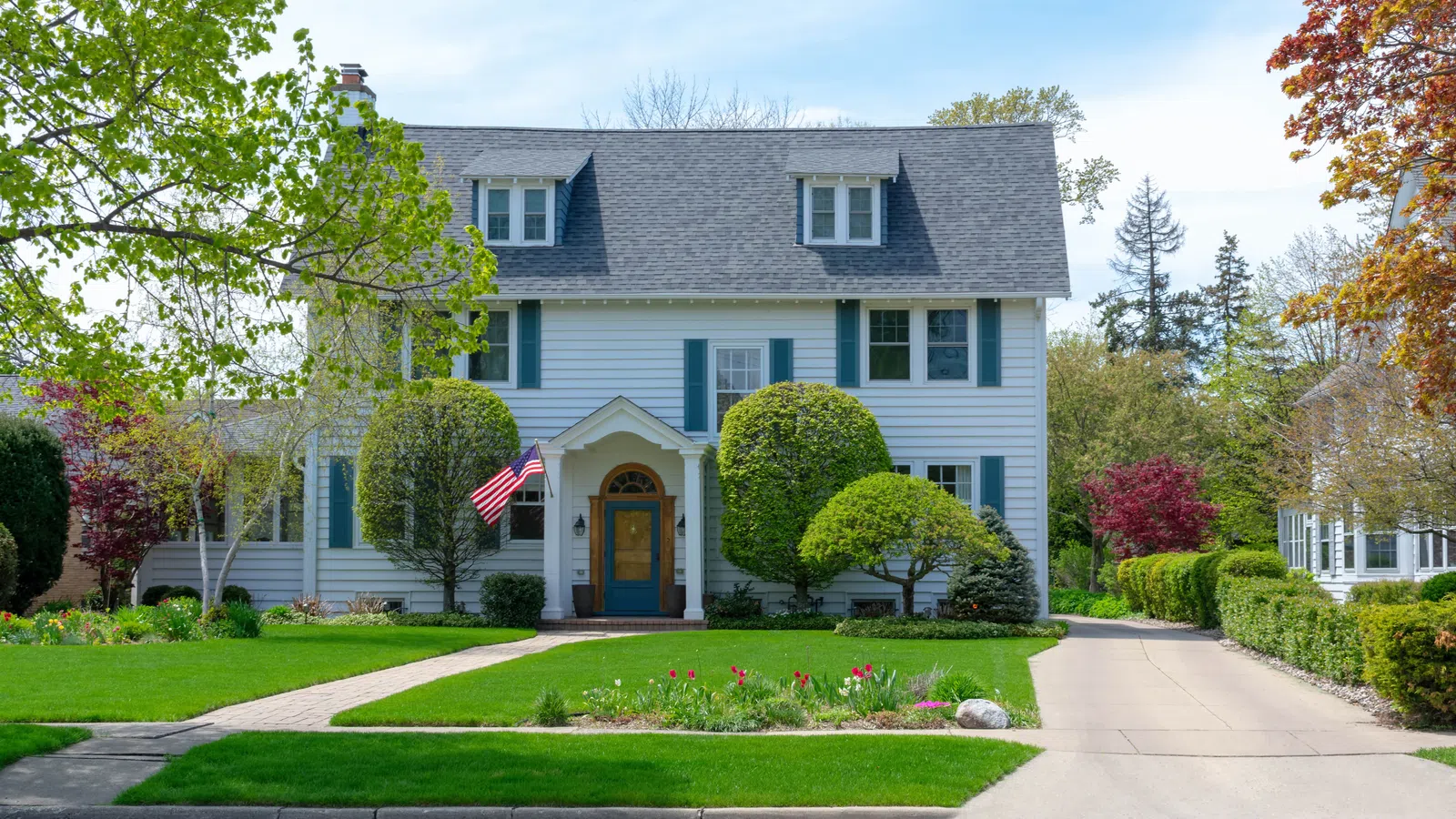
America's homes tell the story of the country itself. From colonial farmhouses to Victorian rowhomes to the postwar neighborhoods that shaped the modern suburb, 250 years of building have left us with some of the most characterful houses in the world. But many of them share a quiet problem: they were never built to be energy-efficient — because for most of that history, they didn't have to be.
If you live in an older home, you already know the symptoms — rooms that never warm up, drafts you can't trace, a furnace or AC that runs constantly. The cause is well understood, and the fix doesn't require tearing your home apart: the most effective way to insulate an old house is injection foam, installed into the existing walls from the outside. It's exactly what USA Insulation specializes in.
A quick tour through 250 years of American homes
For most of American history, insulation as we know it didn't exist. Colonial and 19th-century homes were built for craftsmanship and durability, with thick walls and tall ceilings — but nothing inside those walls to slow the movement of heat. Comfort came from fireplaces and, later, coal and oil furnaces, not from an efficient building envelope.
Even into the mid-20th century, as the postwar housing boom filled the country with millions of new homes, insulation standards were minimal by today's measure. Energy was cheap, and few builders saw a reason to seal a house tightly. It wasn't until recent decades that modern energy codes made meaningful wall and attic insulation standard practice.
The result: most older homes in America today were built with empty or barely-insulated walls — beautiful houses doing their best to hold a temperature they were never designed to hold.
Why your old house feels drafty
When a home has little insulation in its walls and attic, the air you pay to heat and cool doesn't stay inside. It rises and escapes through the attic, slips out through the walls, and pulls outdoor air in behind it. Your heating and cooling system never catches up, because it's working against a constant leak.
That's why an older home can feel drafty even with the thermostat cranked, and why some rooms never seem to match the rest of the house. The issue usually isn't your HVAC system — it's everything the conditioned air escapes through before it can do its job.
How to insulate an old house without tearing it apart
This is where many homeowners get stuck. Adding insulation to a finished home sounds like it means opening up walls — a messy, expensive renovation few people want. It doesn't have to.
Injection foam is designed exactly for existing homes, and it's the solution USA Insulation was built around. It's installed into the empty wall cavities from the outside, filling the gaps and sealing the leaks without demolition, drywall removal, or disruption to the rooms you live in. Combined with upgraded attic insulation [link: attic insulation services], it tackles the two areas where older homes lose the most energy — while preserving the character and finishes that make your home worth keeping.
Lower bills and lasting comfort
Once an older home is properly sealed and insulated, the change is immediate and lasting. The drafts settle. Rooms hold their temperature. Your heating and cooling system stops fighting a losing battle — which means a more comfortable home and lower energy bills, season after season.
It's one of the few home upgrades that pays you back in comfort every day while quietly working in your favor on every bill.