
When a heat pump runs for hours on cold Bowling Green nights, the house is usually losing heat faster than the system can put it back. Heat pumps deliver steady, lower-temperature heat, so thin insulation and air leaks make them work much harder. Improving your insulation helps the heat pump keep up and cuts down on costly backup heat.
Across southern Kentucky, a lot of homes heat with electricity, and many of them use a heat pump for heating and cooling. That is true in town and out in the county, from newer subdivisions in Bowling Green to farmhouses outside Russellville and Morgantown. Heat pumps are an efficient way to heat, but they do best in a home that holds its heat.
If your BGMU or OMU bill spikes every January, or your system seems to run from dusk to dawn, your insulation may be the missing piece.
How a Heat Pump Heats Your Home
A heat pump works by moving heat, not making it. Even when it is cold outside, there is still heat in the air, and the heat pump pulls that heat indoors. According to the U.S. Department of Energy, this makes heat pumps a very efficient option in moderate climates. (energy.gov)
The air coming from the vents is warm, but it is not as hot as air from a gas furnace. So a heat pump runs longer, more even cycles to keep up.
As the outdoor temperature falls, the heat pump has less heat to work with. On the coldest nights, many systems switch on backup heat, often labeled "Aux Heat" or "Emergency Heat" on the thermostat. That backup is usually electric resistance heat, and it is much more expensive to run.
Bowling Green winters tend to run a little colder than Nashville's, and January nights in the teens are not unusual. That makes the backup heat question even more important here.
The Link Between Insulation and Heat Pump Performance
Think of your home as a bucket and your heat pump as the faucet filling it. If the bucket has holes, the faucet has to run nonstop just to keep the level up. Patch the holes, and the faucet can shut off once in a while.
A well-insulated, well-sealed home loses heat slowly. Your heat pump can keep pace, cycle normally, and rarely need backup heat.
A home with thin attic insulation, empty wall cavities, or a drafty crawlspace loses heat quickly. The heat pump runs longer, the backup heat kicks on more often, and the electric bill goes up.
Signs Your Home Is Working Against Your Heat Pump
Watch for these clues this winter:
- The heat pump runs almost constantly when it is in the 20s or 30s outside.
- The thermostat shows auxiliary heat often, even on nights that are not extreme.
- Winter bills are much higher than summer bills.
- Floors feel cold, especially in rooms over a crawlspace.
- Certain rooms never get comfortable.
- You feel drafts at outlets, baseboards, or around doors.
- Your home was built before 1980 and the walls have never been reinsulated.
If several of these fit your home, your heat pump may be fine. It may just be fighting a house that leaks heat.
Should You Replace the Heat Pump or Fix the House?
A new system is a big expense. If yours is old or failing, replacement may be the right call. But if your home loses heat too quickly, a new heat pump will still run long and hard.
Improving your insulation first can:
- Help your current heat pump keep up without constant backup heat.
- Reduce the size of system you need if you do replace it, which can lower the cost.
- Help any system run more efficiently for years to come.
The best approach is to look at the whole house. Your HVAC contractor can tell you how the equipment is doing, and an insulation inspection can show you where the heat is going.
The Upgrades That Make the Biggest Difference
Upgrade |
What It Helps |
Common in Bowling Green Homes
|
|---|---|---|
Injection foam wall insulation |
Cold exterior walls, long run times |
Older homes near downtown, Glasgow, Elizabethtown |
Blown-in attic insulation |
Heat loss through the ceiling |
Homes with settled or shallow attic insulation |
Rim joist and crawlspace sealing |
Cold floors and drafts from below |
Karst-area homes and rural farmhouses |
Air sealing |
Drafts, dust lines, uneven rooms |
Nearly every older home |
Wall Insulation
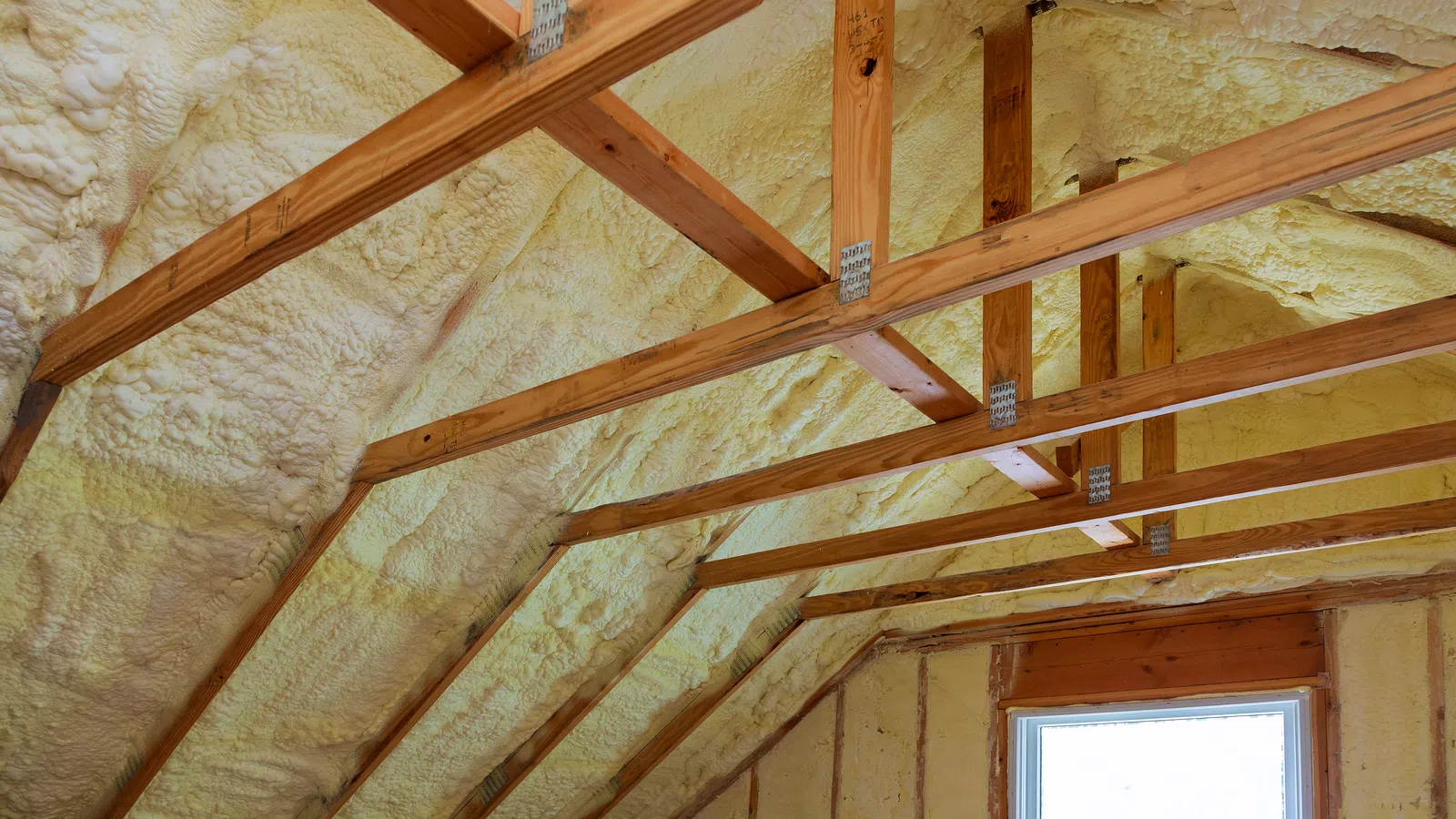
Many homes around Bowling Green, Glasgow, and Hopkinsville were built before modern insulation standards, and their walls may be mostly empty. Injection foam fills those cavities through small holes that are patched afterward, with no need to remove drywall. For heat pump homes, fuller walls mean the system can hold temperature with less effort.
Attic Insulation
Heat rises, and a thin attic lets it slip right out the top of the house. Many older homes have far less attic insulation than the DOE now recommends for our climate. Adding blown-in insulation is one of the most direct ways to help a heat pump in winter.
Crawlspace and Rim Joist Sealing
Crawlspaces are common in our area, especially on the karst and limestone ground around Warren County. Cold air moving through a crawlspace chills the floor and pulls heat from the living space. Sealing the rim joist and addressing air leaks below the house can make a noticeable difference in comfort and run time.
Air Sealing
Sealing gaps around attic hatches, recessed lights, plumbing and wiring holes, and top plates keeps warm air inside where your heat pump put it.
Local Energy Programs
TVA EnergyRight works with local power companies like BGMU, and OMU serves Owensboro. These utilities offer resources and programs for homeowners who want to improve efficiency. Program details change, so check with your utility or TVA EnergyRight for what is available before you start your project.
Frequently Asked Questions
Why does my heat pump run all the time in winter?
Heat pumps run longer than gas furnaces because they deliver gentler heat. But if yours runs nonstop on mild nights or relies heavily on backup heat, your home is likely losing heat too quickly through walls, the attic, the crawlspace, or air leaks.
What does "Aux Heat" mean on my thermostat?
It means your heat pump has turned on its backup heat because it cannot keep up on its own. Backup heat is usually electric resistance heat, which costs much more to run than the heat pump.
Can insulation lower my winter electric bill?
Better insulation and air sealing slow down heat loss, so your heat pump runs less and uses backup heat less often. Savings vary by home, but the comfort difference is usually noticeable right away.
Should I fix my insulation before buying a new heat pump?
It is a smart step. A better insulated home may let your current system keep up, and if you do replace it, you may be able to choose a smaller unit.
Will insulation help in the summer too?
Yes. Insulation that keeps heat in during winter also keeps it out during our hot, humid summers, so your heat pump works less all year.
Book a Free Insulation Inspection in Bowling Green
If your heat pump never seems to rest or your winter bills keep climbing, USA Insulation can help you see where your home is losing heat. We offer free in-home inspections in Bowling Green, Franklin, KY, Glasgow, Russellville, Morgantown, Owensboro, Hopkinsville, Elizabethtown, and the surrounding area. We will check your walls, attic, crawlspace, and air leaks, walk you through what we find, and recommend improvements that help your home stay warm all winter.
Contact us to schedule your free insulation inspection.