
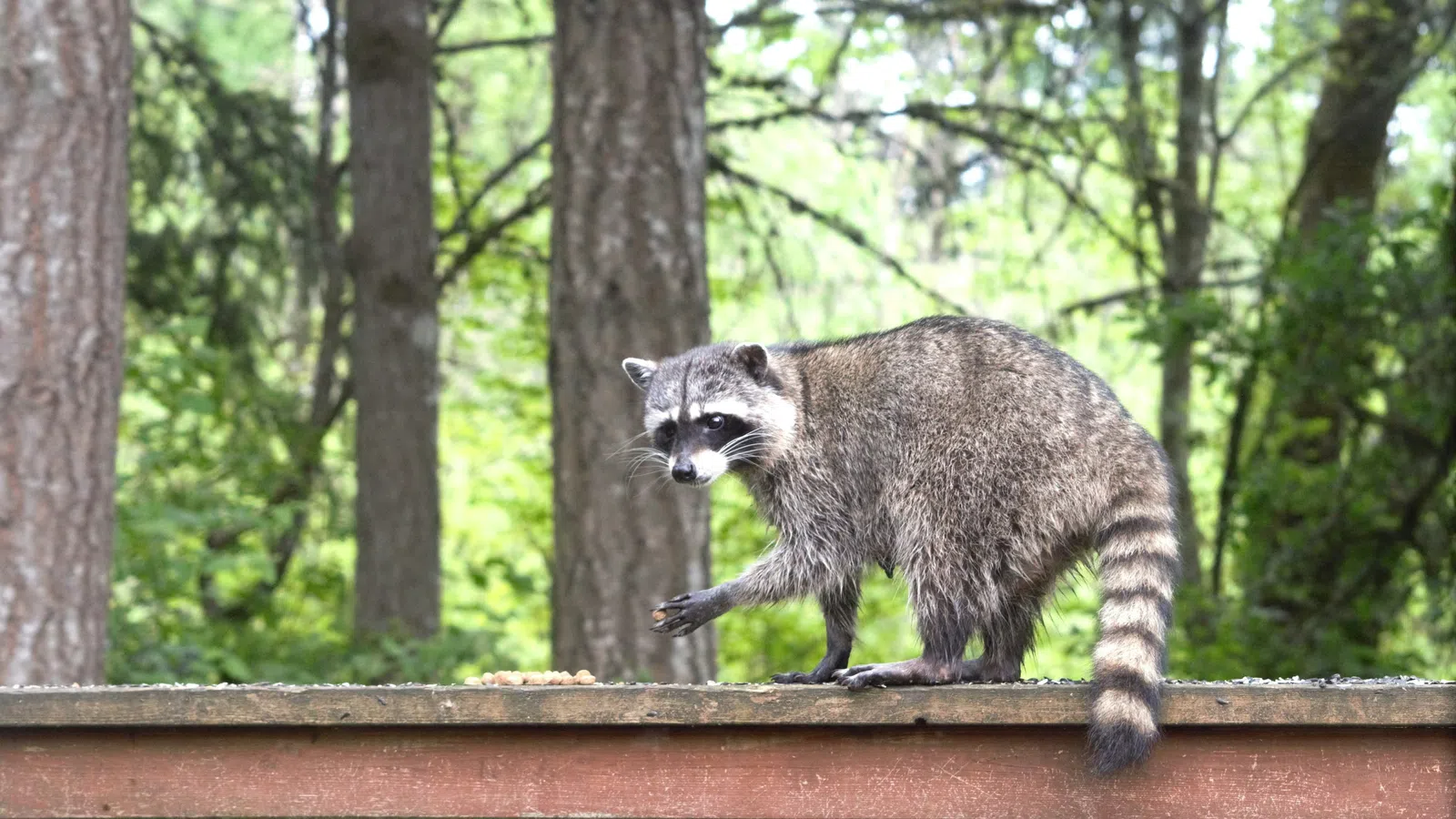
Yes, animals in the attic can ruin insulation. Mice burrow through it, squirrels tear it up for nesting, and raccoons crush it and soil it. Start with a pest or wildlife professional who can clear the attic and close the openings. After that, have the insulation checked, replace what is damaged, and air seal the attic floor.
Around Bowling Green, the calendar often gives it away. When the corn and soybeans come off the fields in Warren, Logan, and Simpson counties, field mice lose their cover and head for the nearest building. A few weeks later the nights turn cold, and squirrels and raccoons start scouting too.
It is a familiar story for farmhouses near Russellville and Franklin, KY. It also happens on the edges of Bowling Green, Glasgow, and Morgantown, anywhere a backyard meets a field or a tree line.
What draws mice, squirrels, and raccoons to a Bowling Green attic?
An attic is dry, quiet, and warmer than anything outdoors. For a small animal facing a southern Kentucky winter, that is a very good deal.
Rural properties add a second factor. A barn, a shop, or a grain bin near the house can shelter mice all summer, and the house is the next stop when the weather changes. In town, large oaks and maples that hang over the roof give squirrels a direct route to the gable vents.
The openings they use are usually small and easy to miss from the ground. A mouse needs a gap only about the size of a nickel, according to the CDC. A corner of loose soffit, a rusted vent screen, or the space where a utility line enters the house is enough.
What kind of damage does each animal leave behind?
The three most common attic visitors leave three different messes.
Mice are the quiet ones. They burrow under the surface of blown-in insulation and build nests deep inside it, so the top can look fine while the layer underneath is full of runways. Wherever they travel, they leave droppings and urine.
Squirrels are builders. They drag insulation into piles, mix in leaves and twigs, and leave the ceiling below bare where they took it from. Squirrels gnaw constantly, so chewed wood and nicked wiring often show up near their nests.
Raccoons do the most damage in the least time. Their weight packs insulation flat along the routes they walk, they pull batts out of place, and they tend to use one area of the attic as a toilet. A female raising a litter can turn a large section of attic into something that has to be removed.
What warning signs can you spot from inside the house?
Most people hear the problem before they see it. Pay attention to when and where the sounds happen, because your pest professional will ask.
- Light scratching inside the ceiling late at night usually points to mice.
- Fast scampering and rolling sounds in the early morning or late afternoon often mean squirrels.
- Heavy, slow thumps after dark suggest something raccoon sized.
- A musty or ammonia-like smell near the attic hatch or in an upstairs closet.
- Bits of insulation showing at a soffit vent or on the ground below the eaves.
- Stains on a ceiling with no roof leak to explain them.
- A bedroom that is suddenly harder to keep warm.
Please do not go digging through the attic to confirm it. Look from the hatch with a light, keep your hands off droppings and nests, and let the professionals take it from there.
Why does damaged insulation make your home less comfortable?
Attic insulation only works when it is fluffy, even, and continuous. Its job is to hold a deep blanket of still air between your ceiling and the attic.
Burrows break that blanket into pieces. Packed-down trails cut the depth in half or worse. Bare spots left by nest building do almost nothing at all. Heat always takes the easiest path, so a few thin areas can undo the benefit of the good insulation around them.
You feel that in January as a cold ceiling over the hallway, and again in July when the upstairs will not cool down. Your heat pump or furnace runs longer either way.
What is the right order for fixing the problem?
Think of it as two separate jobs done by two different companies, one after the other.
- Clear the attic. A licensed pest or wildlife company traps or removes the animals. USA Insulation does not do this part.
- Close the house. The same company, or a carpenter, repairs the soffits, screens, and gaps the animals were using.
- Get the insulation inspected. With the attic empty, the full extent of the damage can be measured.
- Take out what is ruined. Soiled and crushed material is removed from the affected areas.
- Air seal the attic floor. Gaps into the house are closed while they are easy to reach.
- Insulate. New insulation is installed to a consistent depth over the whole attic.
Skipping ahead is the most expensive mistake. Insulation installed before the entry points are fixed will be damaged again by the next animal that finds the opening.
When can old insulation stay, and when should it go?
Old insulation can stay when it is dry, has no droppings or odor, and has only been pushed around in a few places. In that case the low spots are leveled and more insulation is added on top.
It should go when it smells, when droppings are scattered through it, or when it has been pressed flat over a wide area. Soiled insulation does not improve with time, and burying it only makes the next person's job harder.
Homes that had a raccoon often need more removal than homes that had a few mice. An inspection sorts that out area by area, so you are not paying to replace insulation that is still doing its job.
What should be sealed before new insulation goes in?
Insulation slows heat, but air moves right through it. The U.S. Department of Energy advises sealing attic air leaks before adding insulation for that reason.
The usual list includes the gaps around plumbing stacks and wiring, the framing above interior walls, openings around ceiling fixtures and fans, the chimney or flue chase, and the attic hatch or pull-down stair. In older farmhouses, open wall cavities that run straight up into the attic are common and worth closing.
Sealing is far easier in an attic where the old insulation has already been pulled back. It is one upside to an otherwise unwelcome project.
How deep should attic insulation be in southern Kentucky?
All of Kentucky falls in climate zone 4A. ENERGY STAR recommends R-60 for an uninsulated attic in this zone, and R-49 when insulation is being added over 3 to 4 inches that are already there.
Plenty of homes around Bowling Green were built with much less. If animals have forced you to redo part of the attic, it is a sensible time to bring all of it up to the recommended level.
What can you do outside to keep the attic empty?
Prevention happens outdoors, on the roof edge and around the yard.
- Cut back limbs that touch or overhang the roof.
- Walk the house each September and look up at the soffits, vents, and corners.
- Replace torn or rusted vent screens with heavy metal mesh.
- Seal the gaps where pipes, cables, and lines enter the house.
- Keep feed, seed, and pet food in metal or heavy plastic bins with tight lids.
- Stack firewood away from the house.
Quick Answers for Bowling Green Homeowners
Do I have to replace all of my attic insulation after mice?
Usually not all of it. Only the sections that are soiled or badly tunneled need to come out, and the rest can often be leveled and topped off.
Does USA Insulation get rid of the animals?
No. A licensed pest or wildlife company handles removal and closes the entry points. The insulation work comes after.
Will thicker insulation stop pests from getting in?
No. Insulation is not a barrier to animals. Repairs to the outside of the house are what stop them.
Is fall too late to deal with it?
Fall is the right time. Animals are moving in now, and fixing the attic before the coldest weeks means you get the benefit all winter.
Want a clear picture of your attic?
If something has been living above your ceiling, you deserve to know what it left behind. Once the animals are gone, contact USA Insulation of Bowling Green to discuss the condition of your attic insulation.