
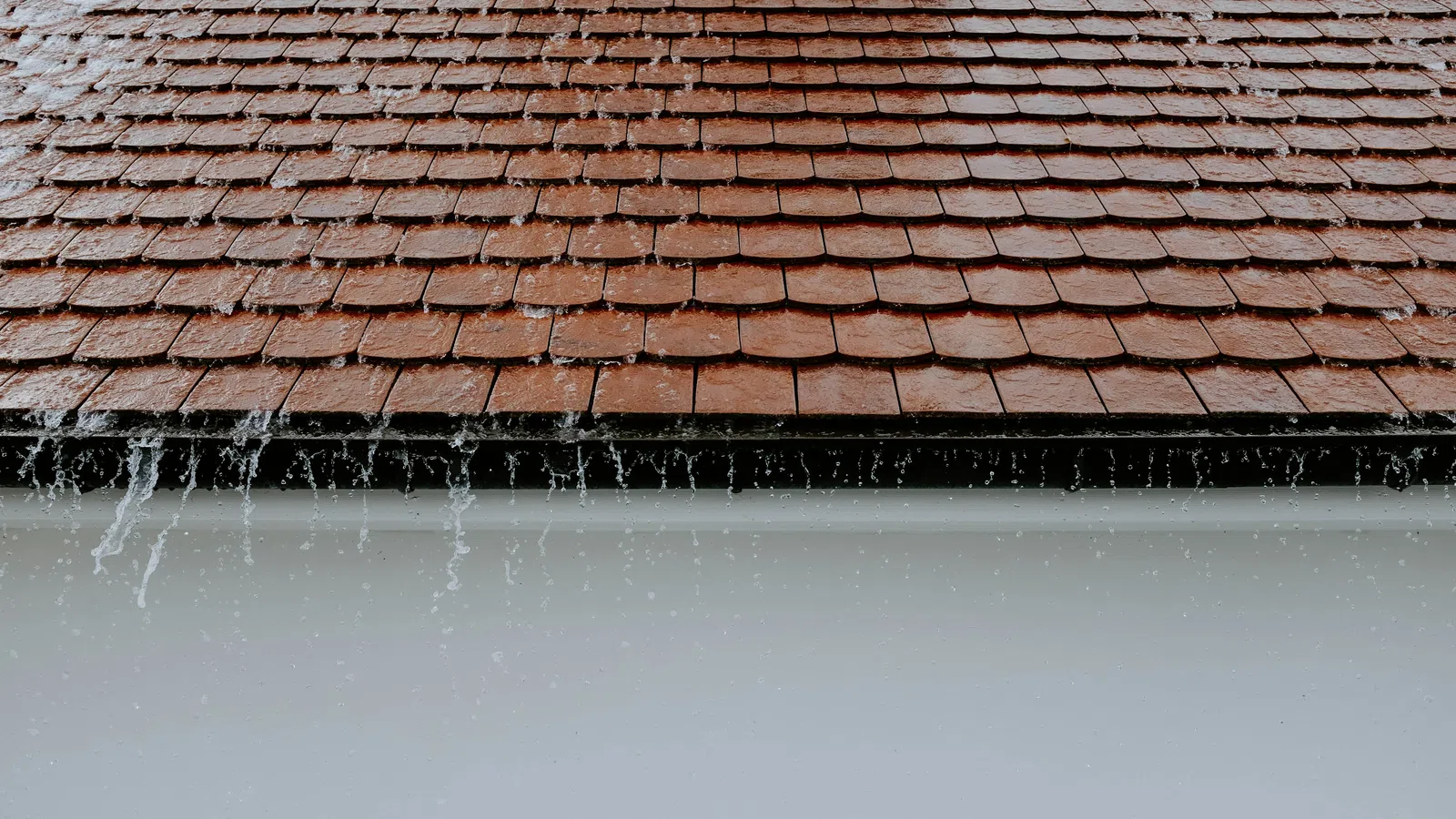
A roof leak can leave more behind than a ceiling stain.
Water may pass through roof decking, attic materials, insulation, framing, and drywall before homeowners notice anything inside the living space. Even after the roof is repaired, attic insulation may still be wet, compressed, contaminated, or less effective than it was before the leak.
For Bowling Green homeowners, the key is to deal with the moisture problem first and then determine what condition the insulation is actually in.
At USA Insulation, we often see insulation questions come up after roof leaks, plumbing leaks, and other attic moisture problems. Not every wet area requires the same solution, but damaged insulation should not simply be ignored once the visible leak has stopped.
How Water Reaches Attic Insulation
Roof leaks do not always drip straight down.
Water can travel along roof decking, rafters, trusses, nails, pipes, wiring, and other surfaces before it finally reaches insulation or drywall.
That means the wet insulation may not be directly below the damaged roof area.
A small ceiling stain can sometimes represent a larger moisture path above it.
After the roof problem is repaired, the attic should still be evaluated for remaining moisture and insulation damage.
Different Insulation Materials React Differently to Water
The effect of a leak depends partly on the type of insulation in the attic.
Fiberglass can trap moisture between fibers and may become compressed or matted when heavily saturated. Cellulose can absorb moisture and settle. Other materials may react differently depending on how much water entered and how long it remained wet.
The condition of the surrounding wood, drywall, and air space also matters.
There is no single rule that every piece of insulation touched by water must be handled the same way. The amount of water, contamination level, drying conditions, and material condition all need to be considered.
Wet Insulation Can Lose Effectiveness
Insulation works by resisting heat transfer through pockets of trapped air and the structure of the material.
When insulation becomes saturated, compressed, or displaced, its performance can decrease.
Even after some materials dry, they may not return to the same depth or condition they had before the leak.
That can leave thin spots or gaps in attic coverage.
Homeowners may later notice changes in comfort, such as warmer rooms in summer, cooler ceilings in winter, or uneven temperatures in the area below the leak.
Moisture Can Affect More Than the Insulation
The insulation may be only one part of the problem.
Roof leaks can also wet roof decking, framing, drywall, electrical components, and stored items in the attic.
If those materials stay damp, they can create odor, staining, deterioration, and conditions that support mold growth.
That is why drying the attic is more important than simply replacing insulation immediately.
New insulation should not be installed over materials that are still wet.
The Roof Leak Needs to Be Repaired First
Before insulation work begins, the source of the water should be corrected.
That may involve roofing materials, flashing, vents, penetrations, gutters, or another exterior issue.
If the leak remains active, new insulation can be damaged just like the old material.
After repairs, the affected area should be allowed to dry appropriately and any damaged building materials should be evaluated.
Insulation is part of the recovery process, not the first step.
What If the Leak Came From Plumbing?
Not every attic leak starts at the roof.
Some homes have plumbing lines, HVAC equipment, condensate drains, or mechanical components in attic spaces.
A failed line or drain can saturate insulation from inside the home.
The same basic rule applies. Stop the source, address standing water or active moisture, dry the affected building materials, and then evaluate the insulation.
The source of the water can also affect how materials should be handled if contamination is involved.
Watch for Compressed or Missing Areas
After a leak, insulation may no longer be evenly distributed.
Wet material can settle. Contractors may move insulation while making roof repairs. Sections may be removed to access damaged drywall or framing.
When the project is finished, those areas can be left with lower insulation depth than the surrounding attic.
That creates thermal weak spots.
A post-repair inspection should look at the attic as a whole, not only the exact point where water first appeared.
Ceiling Stains Do Not Tell the Whole Story
A ceiling stain can show where water became visible, but it does not reveal the entire moisture path.
Water may have spread several feet through attic insulation before reaching the drywall.
In some cases, the visible stain is at the lowest point rather than directly below the roof opening.
If homeowners only inspect the stain area, they may miss damp or compressed insulation nearby.
Attic access and safe moisture evaluation can help determine the true affected area.
What About Mold?
Mold can develop when building materials remain damp under suitable conditions.
A roof leak does not automatically mean there is a mold problem, but delayed drying increases the concern.
If there is visible growth, a strong musty odor, or uncertainty about how long the attic stayed wet, the moisture and mold issue should be evaluated before new insulation is installed.
Insulation work should not cover up an unresolved moisture problem.
Why Insulation Depth Matters After Repairs
Attic insulation is designed to provide a continuous layer across the ceiling plane.
When one section becomes thin or is removed, the overall attic may still look well insulated from a distance while the affected room has a weak spot directly above it.
That can create localized comfort issues and increase heat transfer through that part of the ceiling.
Restoring consistent coverage helps the attic perform more evenly.
Bowling Green Weather Makes Attic Performance Important
Bowling Green homes experience hot, humid summers and cold periods during winter.
The attic plays a major role in separating indoor living space from outdoor temperature extremes.
If a roof leak leaves insulation damaged or uneven, the effect may become most noticeable during the hottest and coldest parts of the year.
Homeowners may notice one room changing temperature faster than the others even though the HVAC system is working normally.
What to Do After a Roof Leak
Repair the roof or other water source first.
Have wet building materials evaluated and dried appropriately. Remove insulation that cannot be safely restored when necessary. Make sure the attic is dry before replacement insulation is installed.
Then check the remaining attic coverage for gaps, thin areas, compression, or sections disturbed during repair work.
This sequence helps avoid trapping moisture beneath new materials.
Restoring the Attic After Water Damage
A completed roof repair solves the source of the leak, but it does not automatically restore everything underneath it.
Attic insulation may need to be redistributed, supplemented, or replaced in affected areas depending on its condition.
If your Bowling Green home has had a roof leak and you are unsure whether the attic insulation is still performing as it should, USA Insulation can evaluate the insulation coverage and help you understand what may need attention after the moisture problem has been resolved.