
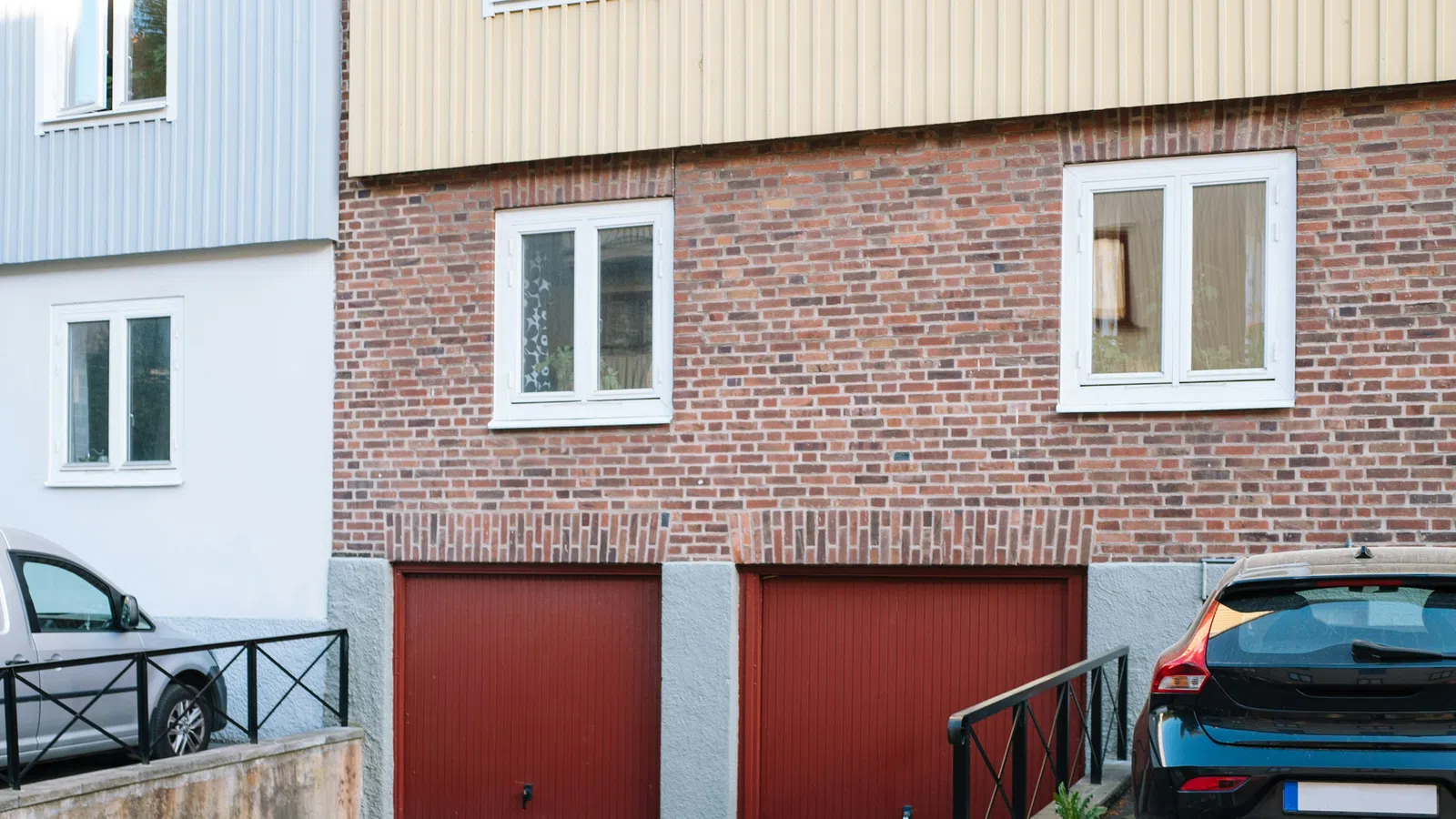
Why is the bonus room over my garage cold in winter and hot in summer? Because it is surrounded on almost every side by unheated space: the garage below, attic spaces behind the short side walls, and the roof above. If any of those surfaces are poorly insulated or leaky, the room swings with the weather. Insulating and sealing the floor, kneewalls and ceiling usually fixes it.
If you live in a two-story home in Lexington, Georgetown or Nicholasville built in the last few decades, there is a good chance you have a bonus room over the garage. It might be a playroom, a home office, a guest room or the place the kids watch movies. And there is a good chance it is the one room in the house nobody wants to sit in during January.
You are not imagining it, and you are not alone. The room over the garage is one of the most common comfort complaints we hear about from Central Kentucky homeowners. Here is why it happens and what can be done about it.
Why is the room over the garage different from the rest of the house?
Most rooms in your house share walls, floors and ceilings with other heated rooms. That shared space acts like a buffer. A bedroom in the middle of the second floor has heated rooms on several sides and only loses heat through a small amount of outside surface.
The bonus room is the opposite. It usually has:
- A garage underneath. The garage is not heated, and in winter it can be close to the outdoor temperature, especially if the door is opened several times a day.
- Kneewalls on the sides. Those short walls under the sloped ceiling are often the only thing between the room and an unheated attic space.
- A sloped ceiling with little room for insulation. The angled part of the ceiling sits right under the roof deck, with a shallow space to work with.
- One or more outside walls. Often the gable end of the house, which takes the full force of the wind.
That means the room is losing heat through five or six surfaces at once. Even a small weakness in any of them shows up quickly.
What are the most common insulation problems in bonus rooms?
When we inspect bonus rooms around Central Kentucky, we tend to find the same handful of issues.
Kneewalls with loose or missing insulation. Kneewalls are often insulated with batts stapled to the attic side. Over time, those batts sag, fall away from the wall or were never fully covered on the back. The result is a wall that is barely insulated, open to an attic that can be below freezing in winter and well over 120 degrees in summer.
Open floor cavities behind the kneewalls. The floor joists of the bonus room run under the kneewall and into the attic space. If those joist bays are not blocked and sealed, attic air can flow right under the floor of the room. That is a big reason the floor feels cold.
A thin or uneven floor over the garage. The ceiling of the garage is the floor of the bonus room. If the insulation in that floor has gaps or does not touch the subfloor, cold garage air chills the floor from below.
Sloped ceilings with shallow insulation. The angled sections of the ceiling often have less insulation than the flat attic above them, and any gaps there let summer heat pour in.
Air leaks everywhere the room meets the attic. Outlets on kneewalls, access doors into the attic storage space and recessed lights in the ceiling are all common leak points.
Why is the bonus room so hot in summer?
The same surfaces that let heat out in winter let it in during summer. On a sunny July afternoon, the attic spaces around a bonus room can get extremely hot. That heat radiates through thin kneewalls and sloped ceilings straight into the room.
Many bonus rooms also sit at the end of a long duct run from the HVAC system. By the time cooled air reaches the room, there is less of it, and the room is already gaining heat on every side. Central Kentucky's humid summers make it feel even worse.
Homeowners often try to fix this with a bigger HVAC system, a window unit or a space heater. Those can help for a while, but they treat the symptom. The cause is the building envelope around the room.
How do you fix a cold or hot room over the garage?
The fix depends on what the inspection finds, but the work usually focuses on four areas:
- Seal and insulate the kneewalls. The goal is a continuous layer of insulation on the kneewalls with a backing on the attic side so it stays in place and in full contact with the wall.
- Block and seal the floor cavities. Closing off the joist bays where they open into the attic space keeps cold air from running under the floor.
- Fill the floor over the garage. Making sure the floor cavities between the garage and the room are fully insulated, with no gaps against the subfloor.
- Address the ceiling and the flat attic above. Adding insulation where there is room for it and sealing the leaks around lights and attic access doors.
Every bonus room is built a little differently, so the plan for your house should come from someone who has actually looked at it from the attic side.
Will adding insulation make the bonus room match the rest of the house?
In many homes, it makes a big difference. The room stops swinging hot and cold with the weather, the floor stops feeling icy in the morning, and the HVAC system does not have to fight as hard to keep up.
It is not always perfect on its own. If the room is at the far end of a duct run or the ductwork is undersized, you may still notice a small difference. Your estimator can tell you if anything outside the insulation work looks like it is part of the problem, so you can decide what makes sense.
Can you insulate a bonus room without tearing out drywall?
In most cases, yes. Kneewalls, the attic spaces beside the room, and the flat attic above are usually reached from the attic side through existing access doors or hatches. The floor over the garage can often be addressed from below. Your finished walls and ceilings stay in place.
Many bonus room jobs are done in a day, depending on how many areas need work and how easy the attic spaces are to reach.
Why does this matter more in Lexington-area homes?
Kentucky sits in climate zone 4, which gives us both real winters and hot, humid summers. A room that is weak on insulation gets uncomfortable in both seasons, not just one.
Two-story homes with bonus rooms are common across the newer neighborhoods of Lexington, including areas like Hamburg and Masterson Station, and in fast-growing towns like Georgetown, Nicholasville and Winchester. Many of those homes were built quickly during building booms, and the attic spaces around the bonus room are one of the areas that get the least attention during construction.
Quick answers for Lexington homeowners
Is it normal for the room over the garage to be colder? It is common, but it does not have to stay that way. Insulation and air sealing usually close most of the gap.
Should I put a space heater in the bonus room? It can take the edge off, but it does not fix the cause and it adds to your electric bill. Fixing the insulation lets your main system do the work.
Do I need to remove anything from the attic storage area? You may need to clear space so the crew can reach the kneewalls and floor cavities. Your estimator will tell you what to move.
Can you insulate the garage ceiling if my garage is finished? Often, yes. Your estimator will look at how the garage ceiling is built and explain the options.
Will this help my upstairs in general? Often it does, since bonus room work usually includes sealing and insulating the attic spaces that also affect nearby rooms.
What is the next step?
If the room over your garage is the one nobody wants to use, let us take a look. Request a free inspection from USA Insulation of Central Kentucky, and we will check the kneewalls, floor and attic spaces around the room and give you a clear written estimate with no obligation. Financing is available through our lending partners.