
What happens during a home insulation inspection?
An inspector walks your home inside and out, checks attic insulation depth and condition, looks for air leaks around lights, pipes, and the attic hatch, and checks whether exterior walls have insulation, often through an outlet or small test spot. You get recommendations and a written estimate, with no obligation.
If you have been thinking about booking a free insulation inspection but aren't sure what you're signing up for, this walkthrough is for you. Maybe the back bedroom never warms up, or last winter's gas bill made you wince. Here's what actually happens once our Louisville team pulls into your driveway.
Short version: we look, we measure, we explain what we found, and we hand you a written estimate. You decide what happens next, with no pressure.
With October here and heating season around the corner, fall is a smart time to get a clear picture of your home before the first cold snap rolls through Louisville, St. Matthews, and Jeffersontown.
What are the steps of a free insulation inspection?
Every house is a little different, but most visits follow the same order:
- Book the visit by phone or online.
- Prepare your home with a few quick tasks.
- Exterior walk-around to see how the house is built.
- Attic check for depth, coverage, and air leaks.
- Exterior wall check to see whether the walls have insulation.
- Basement or crawl space check for gaps and cold floors.
- Recommendations and a written estimate, with no obligation.
Here's what each step looks like.
How do you book a free insulation inspection?
Call 502-358-3626 or fill out the quick form on our Request an Estimate page. We'll ask your address, roughly when the house was built, and what's bothering you: cold rooms, high bills, drafts, a stuffy upstairs.
We'll set a time that works for you.
How should you prepare for a home insulation inspection?
You don't need to clean or move furniture. A few minutes of prep helps:
- Clear a path to the attic hatch. If your access is in a closet ceiling or a garage, move boxes or hanging clothes out of the way so the inspector can get up there safely.
- Make a list of problem rooms. Note which rooms run hot or cold, feel drafty, or never match the thermostat. Upstairs bedrooms, rooms over the garage, and corner rooms are common ones.
- Pull recent energy bills. A few months of statements, especially from last winter, help show how hard your system is working. If you've been searching for ways to lower your LG&E bill, bring those numbers.
- Unlock the basement or crawl space access. The inspector will want to look underneath the house too.
What does the inspector check outside your home?
Most inspections start with a walk around the outside of the house. The inspector is getting a feel for how your home is built and where heat is most likely to escape.
They're looking at the siding or brick, the rooflines, and any additions. An addition built decades after the original house may be insulated very differently from the rest.
This is also where the inspector starts thinking about your walls. USA Insulation estimates that about 35% of a home's heat loss happens through the walls, more than any other part of the house, so knowing how your walls are built matters.
What happens during the attic check?
The attic is usually the most revealing part of a home insulation inspection. USA Insulation estimates it accounts for about 25% of heat loss, and it's the easiest place to see the insulation with your own eyes.
In the attic, the inspector checks three things:
- Depth. They measure how many inches of insulation you have and compare it to the ENERGY STAR recommendation for Kentucky, which is climate zone 4. ENERGY STAR recommends R-60 for an uninsulated attic and R-49 when adding to 3 to 4 inches of existing insulation.
- Coverage. Insulation often gets packed down, pushed aside during cable or HVAC work, or thinned out near the eaves. The inspector looks for bare spots and low areas.
- Air leaks. Gaps around recessed lights, plumbing vent pipes, wiring holes, bath fans, and the attic hatch itself let warm air slip out in winter. The inspector notes where sealing is needed before any insulation goes in.
How do you check insulation in walls without opening them up?
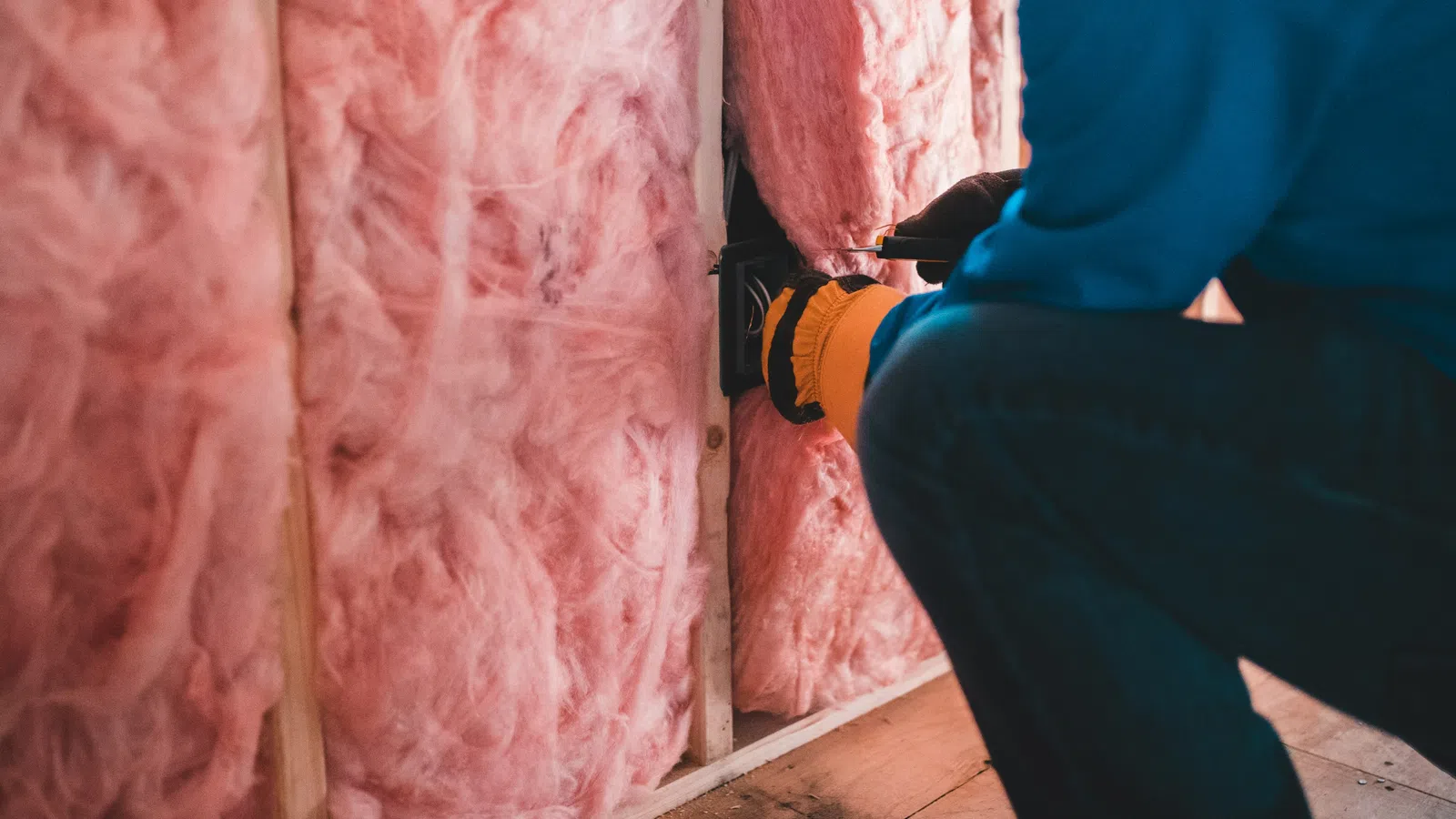
To see whether an exterior wall has insulation, the inspector usually removes the cover plate from an outlet on that wall and looks into the cavity around the electrical box. If an outlet doesn't give a clear view, they may check through a small test spot instead.
What they look for depends on how your house is built:
Home type |
What the inspector checks |
|---|---|
Sided homes (vinyl, aluminum, or wood) |
Whether the wall cavities are empty, partly filled, or full, and how a strip of siding would come off to reach them |
Brick homes |
Whether there are framed wall cavities behind the brick, and where holes could go in the mortar joints so they can be patched to blend in |
Additions and mixed construction |
Whether each section of the house was built and insulated the same way |
If your walls turn out to be empty, the inspector will explain how injection foam fills them from the outside through small holes, without touching your interior walls. Most installs finish in less than a day.
Does the inspection include the basement or crawl space?
Yes. USA Insulation estimates about 15% of heat loss happens through the basement or floor, so the inspector will look underneath the house as well.
In a basement, they'll check the rim joists, where the framing sits on the foundation and gaps are common. In a crawl space, they'll look at the floor above and openings where cold air gets in. This step often explains cold floors in older homes around Middletown, Prospect, New Albany, and Jeffersonville.
What do you get at the end of a free insulation inspection?
Once the walk-through is done, the inspector sits down with you and goes over what they found. You'll get:
- Plain-language recommendations, in order of what will make the biggest difference for your home.
- A written estimate you can keep and think over, showing what a good estimate should include.
- Financing information, if you want it. Financing is available through our lending partners.
ENERGY STAR estimates homeowners save an average of 15% on heating and cooling costs by air sealing and adding insulation (energystar.gov). Every house is different, so we won't promise you a specific number.
How long does the whole visit take?
It varies with the size of the home and how easy the attic and crawl space are to reach.
What questions should you ask your inspector?
A good inspection is a conversation. A few questions worth asking:
- Where is my home losing the most heat?
- How many inches of attic insulation do I have now, and what R-value would you add?
- Do my exterior walls have any insulation?
- Which recommendation would you do first if I can't do everything at once?
- How long would the work take, and will you need to come inside?
The takeaway for Louisville homeowners
A free insulation inspection is a no-pressure look at how your home is holding up. You'll know how much attic insulation you have, whether your walls are empty, where the air leaks are, and what it would take to fix them, all written down so you can decide on your own time.
USA Insulation has insulated homes since 1985, served more than 150,000 homeowners, and is locally owned by a family and veterans. We inspect homes across Louisville, Shepherdsville, Mount Washington, and Southern Indiana, including Clarksville. We'd be glad to take a look before winter.
FAQ
What happens during a home insulation inspection?
An inspector walks your home inside and out, checks attic insulation depth and condition, looks for air leaks around lights, pipes, and the attic hatch, and checks whether exterior walls have insulation, often through an outlet or small test spot. You get recommendations and a written estimate, with no obligation.Is the insulation inspection really free?
Yes. USA Insulation of Louisville offers free inspections and written estimates. There is no obligation to move forward.How long does a free insulation inspection take?
The time depends on the size of your home and how easy the attic and crawl space are to reach.How do I prepare for an insulation inspection?
Clear a path to your attic hatch, make a list of rooms that feel too hot, too cold, or drafty, and pull a few recent energy bills. Unlock any basement or crawl space access so the inspector can look underneath the house.How do you check if my walls have insulation?
The inspector usually removes the cover plate from an outlet on an exterior wall and looks into the wall cavity. If that doesn't give a clear view, they may check through a small test spot.Do you do inspections in Southern Indiana?
Yes. USA Insulation of Louisville serves Louisville and nearby Kentucky communities, plus Jeffersonville, New Albany, Clarksville, Charlestown, and Lanesville in Southern Indiana.Book your free inspection
We'll measure your attic, check your walls, find the air leaks, and give you a clear written estimate with no pressure and no obligation. Financing is available through our lending partners.Call 502-358-3626 or request your free estimate.