
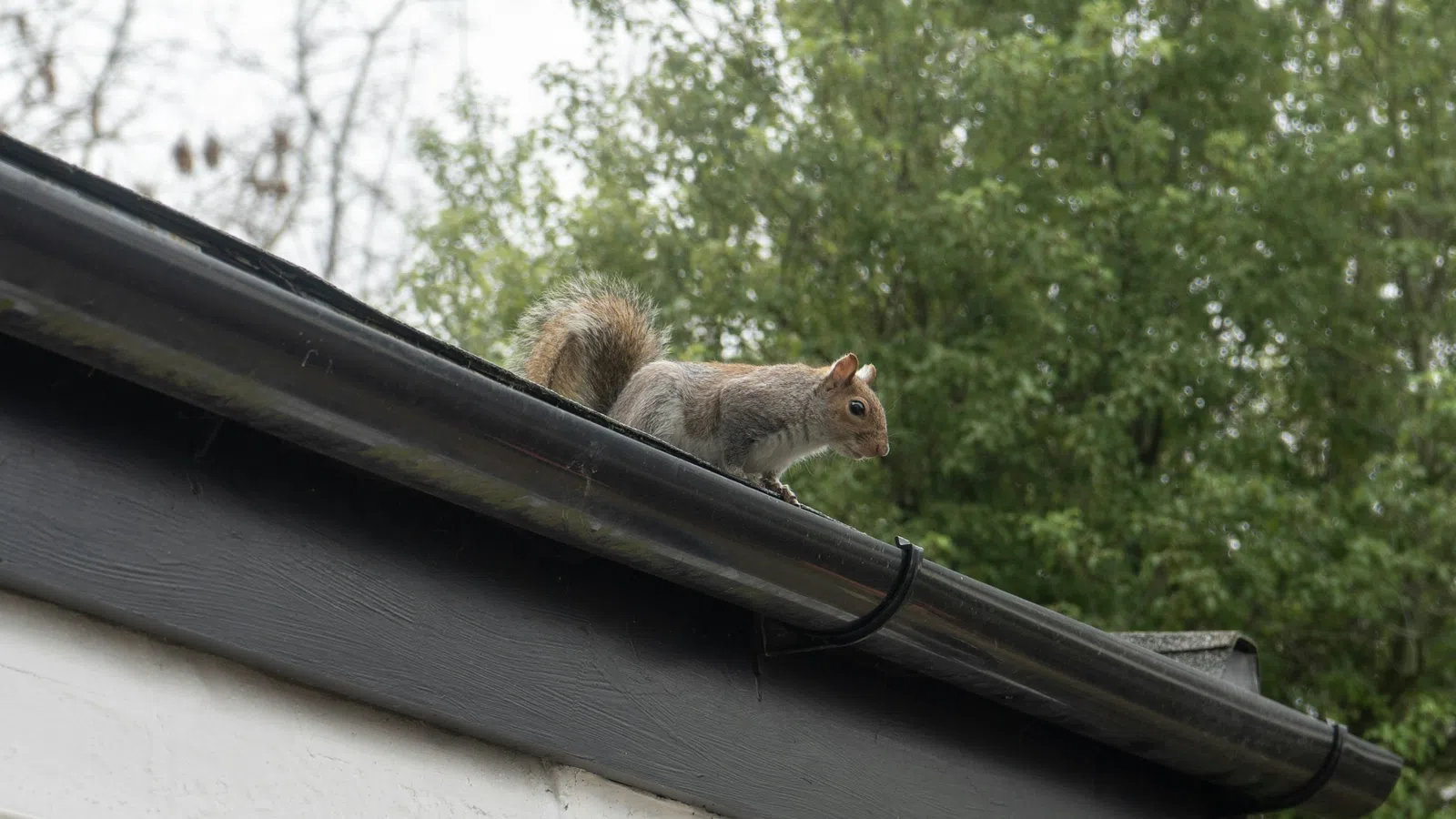
Animals in the attic usually damage insulation enough that part of it needs to be replaced. Mice tunnel through it, squirrels pull it apart for nests, and raccoons flatten wide paths. Have a wildlife or pest professional remove the animals and close the entry points first. Then the insulation can be inspected, replaced where needed, and air sealed.
Fall is when Nashville attics get busy. As nights cool off across Middle Tennessee, mice, squirrels, and raccoons go looking for a warm, dry place to spend the winter. An attic with a soft layer of insulation is hard to beat.
Homes with tall, mature trees near the roofline are the easiest targets. That describes a lot of wooded lots in Brentwood, Franklin, TN, and Goodlettsville, along with older streets in Madison, Hermitage, and Antioch where a gap at the eaves may have been open for years.
Why do animals move into Nashville attics in the fall?
They are after warmth, shelter, and a safe place to nest, and your attic offers all three. It stays warmer than the outdoors because heat rises from the rooms below, and loose insulation makes ready-made bedding.
They do not need much of an opening. The CDC notes that a mouse can squeeze through a hole about the size of a nickel. Squirrels chew at soft or rotted fascia boards and gable vents until the gap is big enough. Raccoons are strong enough to pull back a loose soffit panel or a damaged roof vent.
Once one animal finds a way in, others tend to follow the same route. That is how a small noise in October turns into a much bigger problem by January.
What do mice, squirrels, and raccoons do to attic insulation?
Each animal damages insulation in its own way, and the damage adds up faster than most people expect.
- Mice tunnel. They dig runways and nesting pockets through blown-in insulation and under batts. Every tunnel is a path where heat slips through, and their droppings and urine soak into the material around it.
- Squirrels shred and pile. They pull insulation apart and heap it into nests, which leaves a bare patch of ceiling in one spot and a useless mound in another. They also chew, and wiring is a common target.
- Raccoons flatten. A raccoon is heavy enough to pack down wide paths across the attic floor. Raccoons often pick one corner as a latrine, and they can tear apart flexible ductwork along the way.
Insulation works by holding still air in its fibers. When it is tunneled, shredded, or packed flat, it holds less air and resists less heat. The R-value printed on the bag no longer describes what is sitting above your ceiling.
How can you tell if your attic insulation has been damaged?
You do not always have to climb into the attic to know something is wrong. Watch and listen for these signs:
- Scratching, scurrying, or thumping overhead, especially at dusk, at night, or just before dawn.
- Droppings in the attic, in the garage, or around the attic access.
- A stale or sharp odor in upstairs rooms or closets that was not there last year.
- Trails, tunnels, or flattened paths across the top of the insulation.
- Insulation pulled away from the eaves or piled up in a corner.
- Chewed wires, gnawed wood, or torn duct wrap.
- A room under the attic that has started running colder or hotter than the rest of the house.
If you do take a look, do it from the attic access with a flashlight. Stay off the insulation, do not handle droppings or nesting material, and leave anything that looks like chewed wiring for an electrician.
Which comes first, pest control or new insulation?
Pest control comes first, every time. New insulation over an active problem just gives the animals fresh bedding.
The right order looks like this:
- A licensed wildlife or pest control professional removes the animals. Raccoons and squirrels in particular should be handled by someone who does that work for a living.
- Every entry point gets closed. That means gaps at the eaves, loose soffits, damaged vents, and openings around pipes and wires.
- The attic gets inspected. Now you can see how much of the insulation was tunneled, flattened, or soiled.
- Damaged or soiled insulation comes out.
- The attic floor is air sealed while it is exposed.
- New insulation goes in at the right depth, evenly, across the whole attic.
USA Insulation does not remove animals. The insulation work starts once your pest professional tells you the attic is clear and closed up.
Can damaged attic insulation be saved, or does it have to be replaced?
It depends on how far the damage goes. Insulation that is dry, clean, and only disturbed in a small area can often stay, with new material added to bring the attic back to an even depth.
Insulation that is soaked with urine, full of droppings, or matted down across large sections usually needs to come out. Covering it with a fresh layer traps the odor and leaves the weak spots underneath. It also hides the attic floor, which makes it impossible to seal the gaps below.
A careful inspection will tell you which situation you have, section by section. Many attics land somewhere in the middle, with part of the old insulation removed and the rest topped off.
What happens during an attic insulation inspection after pests?
The inspection is a walk-through of what the animals left behind and what the attic needs now. Expect a look at the depth and condition of the insulation across the whole attic, since damage is rarely limited to the spot where you heard the noise.
You should also hear about the attic floor: where the air leaks are, whether bath fans are vented outdoors, and whether anything is blocking the vents at the eaves. Ask for photos. Most homeowners never see their own attic, and pictures make it much easier to understand what is being recommended and why.
At the end you should have a clear, written scope. It should say which sections need to come out, where air sealing is planned, and how deep the new insulation will be when the job is finished.
Why does air sealing matter after animals have been in the attic?
With the old insulation pulled back, you can finally see the attic floor. That is the best chance you will get to seal it.
Most attics have dozens of small openings into the house below: holes for wiring and plumbing, gaps around recessed lights and bath fans, the tops of interior walls, and the attic hatch itself. Warm air from your living space leaks up through them all winter, and that steady leak is heat you paid for.
The U.S. Department of Energy recommends sealing air leaks before adding attic insulation. Sealing first lets the new insulation do its job, and your furnace or heat pump stops heating the attic.
How much insulation should a Nashville attic have?
Nashville is in climate zone 4A. For this zone, ENERGY STAR recommends R-60 for an attic with no insulation and R-49 when you are adding to an attic that already has 3 to 4 inches in place.
Many older Nashville homes have far less than that, even before an animal gets involved. If part of your attic has to be redone anyway, it makes sense to bring the whole space up to an even, recommended level instead of patching one corner.
How do you keep animals out of the attic next year?
New insulation does not keep pests out by itself. Keeping them out is about the outside of the house.
- Trim tree limbs back from the roof so squirrels and raccoons lose their bridge.
- Check soffits, fascia boards, and gable vents each fall and fix anything loose or soft.
- Make sure roof and gable vents have sturdy screening.
- Keep gutters clear so water does not rot the wood at the roof edge.
- Store bird seed and pet food in sealed containers.
- Ask your pest professional to recheck the exterior once a year.
Frequently Asked Questions
Can I just add new insulation on top of the damaged insulation?
Not if the old material is soiled or badly flattened. Covering it locks in odor and leaves thin spots underneath. Clean, dry insulation with light damage can usually be topped off.
Who removes the animals from my attic?
A licensed wildlife or pest control company does. USA Insulation handles the insulation and air sealing after the animals are gone and the entry points are closed.
Does new insulation keep mice and squirrels out?
No. Animals can move through any common attic insulation. Closing the entry points on the outside of the house is what keeps them out.
How long should I wait after pest removal to replace insulation?
Wait until your pest professional confirms the attic is clear and the openings are closed. After that there is no reason to put it off, especially with cold weather on the way.
Will my energy bills go up if pests damaged my insulation?
They can. Tunneled or flattened insulation lets more heat through the ceiling, so your heating and cooling system runs longer to hold the same temperature.
Ready to find out what shape your attic is in?
An attic that has had visitors deserves a careful look before winter settles in over Middle Tennessee. If the animals are out and you want to understand the condition of your attic insulation, contact USA Insulation of Nashville.