
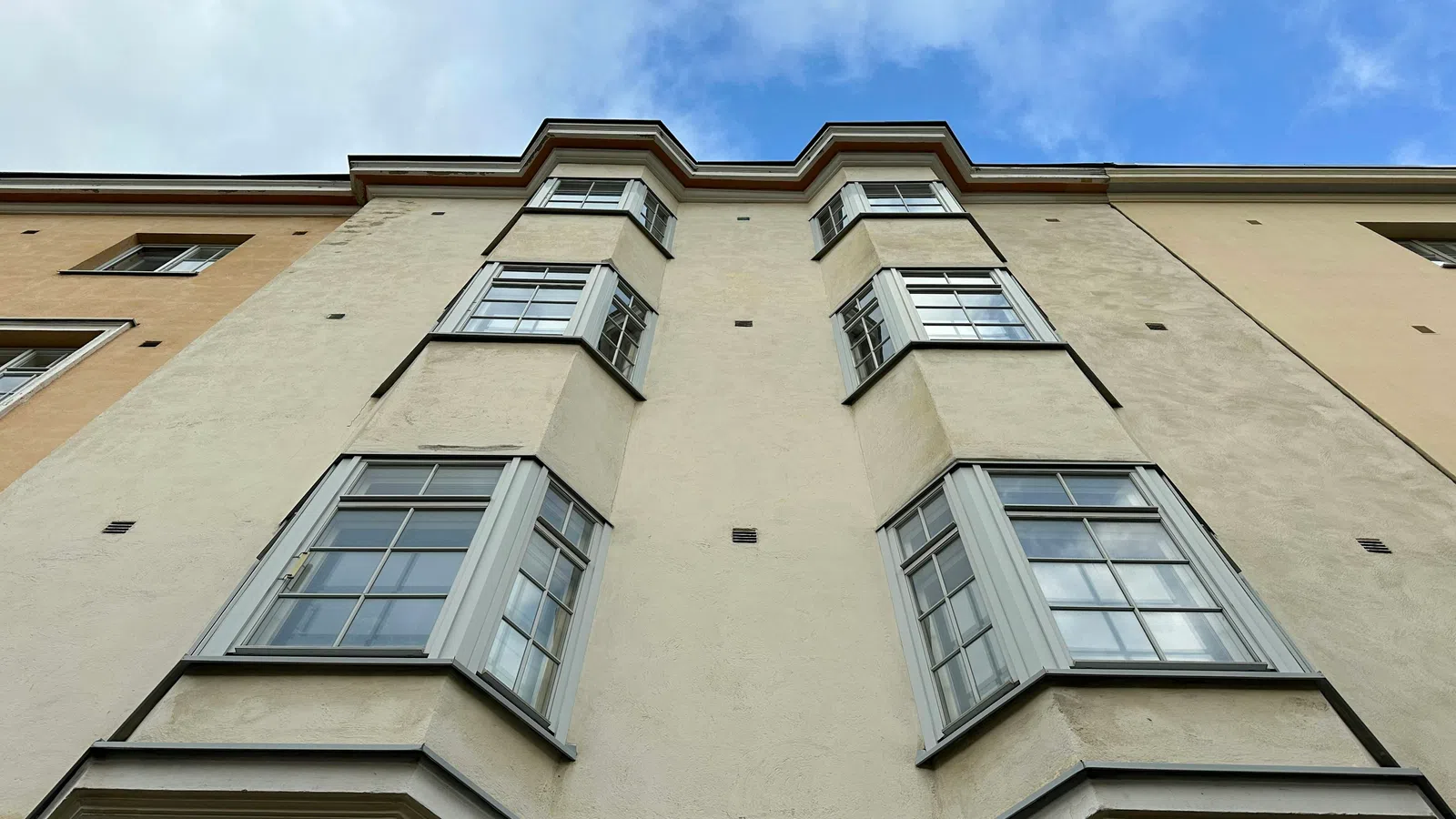
Bay windows and small bump-outs can add character, light, and extra floor space to a home, but they can also create comfort problems that are easy to overlook.
Homeowners may notice that the floor near a bay window feels colder in winter, the wall below the window feels drafty, or one corner of the room never seems to match the temperature of the rest of the space. In summer, the same area may feel warmer than expected.
Insulation is often part of the reason.
At USA Insulation, we look at how different parts of the building envelope connect. Bay windows and bump-outs create extra exterior surfaces, and if those areas are under-insulated or have gaps, they can become noticeable weak points.
Why These Areas Lose Heat Differently
A standard wall usually has conditioned space on one side and the outdoors on the other.
A bay window or bump-out can have several exposed surfaces at once. The floor below it may hang over the exterior or sit above an unconditioned space. The side walls are exposed to outdoor temperatures. The roof or upper section may also have a small enclosed cavity.
That means the area can lose heat in more than one direction during winter and gain more heat during Nashville summers.
Even when the rest of the room is insulated well, one poorly protected bump-out can make the whole area feel uncomfortable.
The Floor Is Often the Weakest Point
One of the most common problem areas is the underside of the bump-out.
If the floor framing extends beyond the main foundation or wall line, that section may have been insulated differently from the rest of the home.
Insulation can be thin, compressed, missing, or poorly supported inside the cavity. Air can also move through small gaps around framing, wiring, and other penetrations.
The result may be a cold floor near the bay window during winter or a warmer floor during summer.
Homeowners often assume the window itself is the only source of discomfort, but the floor assembly underneath can matter just as much.
Side Walls Can Have Uneven Coverage
Bay windows create additional wall surfaces that may be narrow, angled, or framed differently from standard exterior walls.
These smaller cavities can be harder to insulate consistently.
If insulation does not fully fill the space or if there are gaps around framing, the interior surface can feel colder than nearby walls.
The effect may be most noticeable when furniture, seating, or a dining area is placed directly against the bump-out.
Small Drafts can feel significant when people spend time close to them.
The Top of the Bay Window Can Matter Too
Some bay windows include a small roof or enclosed cavity above the window.
If that area is poorly insulated, outdoor temperatures can transfer through the top of the structure.
During Nashville summers, direct sun can heat this small roof section. In winter, the same area can lose heat quickly.
Because the cavity is small and often difficult to access, homeowners may never realize it is contributing to the room's comfort problem.
Why Newer-Looking Additions Can Still Have Problems
A bump-out does not have to be very old to have insulation issues.
Small additions and architectural features are sometimes built differently from the main structure. They may use different framing, insulation levels, or air-sealing details.
A home can therefore have strong attic insulation and well-insulated main walls while still having one uncomfortable bay window area.
Renovations can create similar conditions if an older bump-out was finished or enclosed without improving the insulation behind the surfaces.
Cold Surfaces Can Feel Like Drafts
Not every uncomfortable area involves air physically blowing into the room.
A cold wall or floor can make the space feel drafty even when air movement is limited.
Your body loses heat to colder surrounding surfaces, which can make a seating area near a bay window feel less comfortable than the center of the room.
This is one reason homeowners sometimes replace windows and still notice a temperature difference afterward.
The glass may have improved, but the surrounding floor and wall assemblies can still be weak points.
Window Performance and Insulation Work Together
Windows naturally transfer more heat than insulated walls, so the window itself matters.
But the area around the window matters too.
Gaps around framing, poorly insulated cavities, and weak air sealing can reduce the benefit of upgraded windows.
A better approach is to look at the entire bay window or bump-out as one assembly.
That includes the windows, side walls, floor, top section, and connections to the main house.
Signs the Bump-Out May Need Attention
Homeowners may notice several clues that insulation around a bay window or bump-out is not performing well.
The floor may feel noticeably colder near the exterior edge. Trim or baseboards may feel drafty. The wall below the windows may be colder than adjacent walls. Condensation may appear more often in the area. The room may feel less comfortable when sitting near the bump-out.
In summer, sunlight and outdoor heat may make the same area warmer than the rest of the room.
These signs do not automatically mean insulation is the only issue, but they can point to an area worth evaluating.
Nashville Temperature Swings Make Small Weak Spots Noticeable
Nashville homes experience hot, humid summers along with periods of cold winter weather.
That seasonal range can make small insulation gaps much easier to notice.
A weak bump-out may seem fine during mild weather but become uncomfortable when outdoor temperatures move farther from the indoor thermostat setting.
This is especially common in rooms where people spend long periods sitting near the exterior wall, such as dining rooms, breakfast areas, home offices, and living rooms.
Air Sealing Can Be Part of the Solution
Insulation slows heat transfer, while air sealing reduces unwanted airflow.
Both may be needed in a bay window or bump-out.
If air enters through framing gaps or penetrations, adding insulation without addressing those openings may not fully solve the problem.
The goal is to create a more continuous barrier around the entire extension.
That often means evaluating how the floor, walls, and top section connect to the main house.
What Homeowners Can Check
Start by comparing the bay window area with nearby parts of the room.
Feel the floor near the exterior edge and compare it with the center of the room. Notice whether the walls below and beside the windows feel unusually cold or warm.
Look for visible gaps around trim, baseboards, or access areas.
Avoid opening finished surfaces without knowing what is behind them.
A professional insulation evaluation can help determine whether the weak point is in the floor, side walls, upper cavity, or several areas at once.
Improving Comfort Around Bay Windows and Bump-Outs
Bay windows and bump-outs should add usable space without creating a permanent cold or hot corner.
When insulation and air sealing are more consistent around the entire assembly, the surrounding room can feel more even throughout the year.
If a bay window or bump-out in your Nashville home feels drafty, cold underfoot, or noticeably warmer in summer, USA Insulation can evaluate the surrounding insulation and help identify where the building envelope may need attention.