
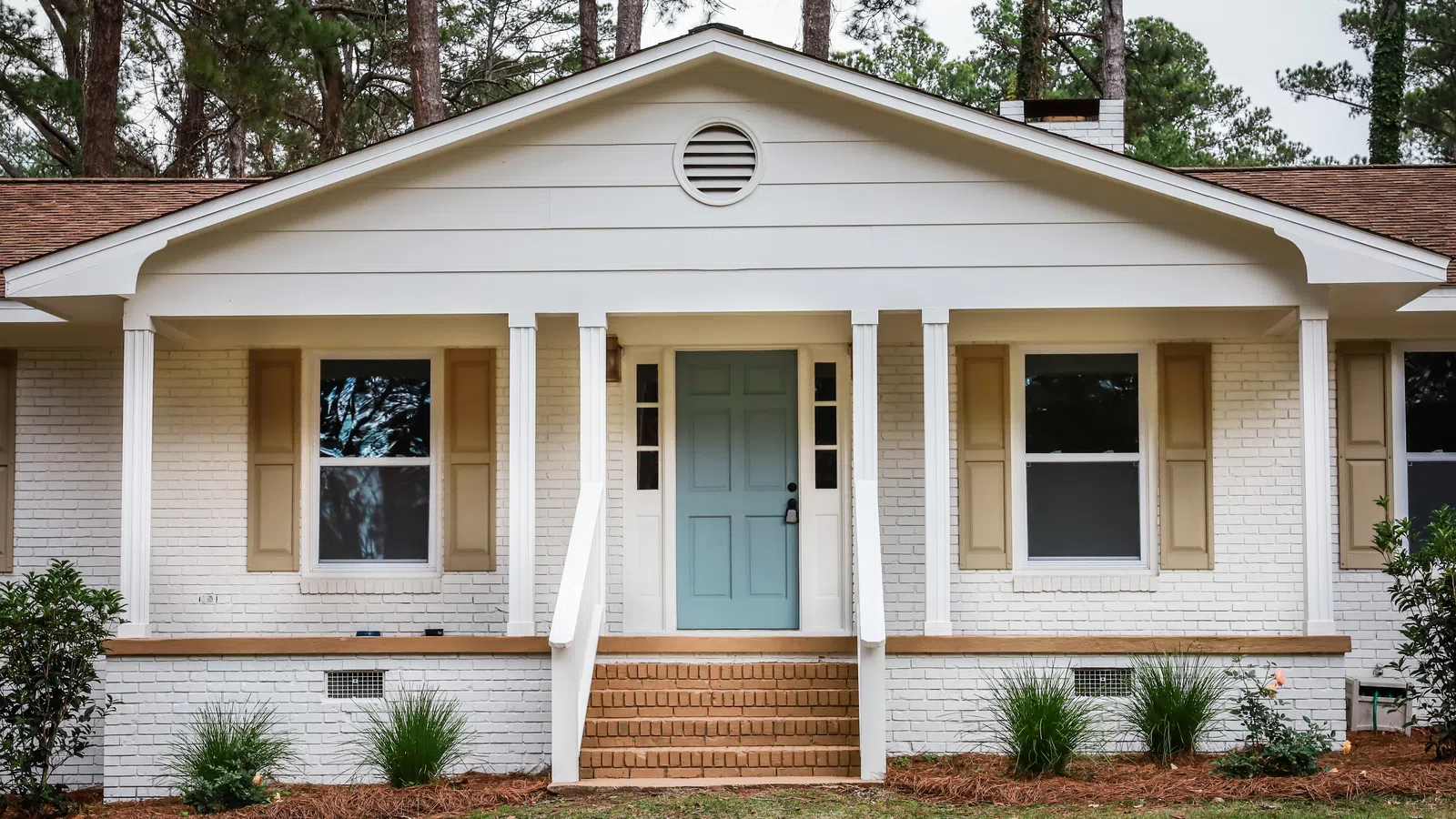
If your home was built before 1980, there is a good chance it was built with far less insulation than a modern Nashville home needs. That does not mean your home was poorly built. It means building standards, energy costs, and comfort expectations were very different at the time.
At USA Insulation, we work with homeowners across Nashville who love the character of their older homes but are tired of the uncomfortable rooms, high utility bills, drafty walls, and HVAC systems that seem to run all day. Whether you live in an East Nashville bungalow, an Inglewood cottage, a Madison ranch, or an older home near Antioch or Donelson, old home insulation in Nashville is one of the most important upgrades you can make for year-round comfort.
Many pre-1980 homes were built before insulation standards became what they are today. Some have little insulation in the walls. Some have attic insulation that has settled, compressed, or become damaged over time. Others have gaps around outlets, floor systems, rim joists, and exterior walls that allow conditioned air to escape.
The good news is that you do not have to tear your home apart to make it more efficient. With modern re-insulation options like injection wall foam, blown-in attic insulation, and air sealing, we can help improve comfort, reduce energy waste, and make your home feel more consistent from room to room.
Why 1980 Matters for Home Insulation
The year 1980 is not a magic cutoff, but it is an important reference point for homeowners. Many homes built before that time were constructed before modern energy codes placed stronger requirements on insulation levels, air sealing, and overall energy performance.
Older Nashville homes were often designed with different priorities. Builders focused on structure, layout, materials, and ventilation, but many homes were not insulated to the standards we expect today. Energy was also less expensive, so homeowners were not thinking about high summer cooling bills the way they are now.
That matters because insulation is not just about keeping your home warm in the winter. In Nashville, it is just as important during long, humid summers. When your walls and attic are under-insulated, outdoor heat can move into your home faster. Your air conditioner has to run longer to keep up, and certain rooms may still feel warm no matter how low you set the thermostat.
Older homes can also lose energy through:
- Empty or partially filled wall cavities
- Thin or settled attic insulation
- Gaps around electrical outlets and exterior penetrations
- Unsealed attic access points
- Drafty rim joists and crawlspace areas
- Bonus rooms, knee walls, and garage-adjacent spaces
- Older construction details that were not designed for today's energy expectations
Across the country, millions of older homes are under-insulated. In Nashville, that issue is especially common in neighborhoods with pre-1980 housing stock, including East Nashville, Inglewood, Madison, Donelson, and parts of Antioch.
Signs Your Older Nashville Home May Be Under-Insulated
You do not always need to open a wall to know your home has an insulation problem. In many cases, your home is already giving you signs.
One of the most common signs is uneven room temperature. If one bedroom feels much hotter than the rest of the house in July or colder in January, the insulation in that part of the home may not be performing well. This is especially common in older ranch homes, upstairs rooms, converted attic spaces, and rooms over garages.
Another sign is high utility bills. Nashville homeowners often notice the problem during the first stretch of serious summer heat. If your NES bill keeps climbing even though your habits have not changed, your HVAC system may be working harder because your home is losing conditioned air.
You may also notice that your walls feel warm to the touch in summer or cold in winter. Exterior walls should not feel dramatically different from the air inside the room. If they do, there may be little or no insulation inside the wall cavity.
Other warning signs include:
- HVAC systems that run constantly
- Drafts near outlets, baseboards, or exterior walls
- Hot upstairs rooms
- Cold floors in winter
- Dust or pollen entering around outlets and wall gaps
- Visible attic joists because insulation is too low
- Insulation that looks dirty, matted, compressed, or uneven
- Rooms that never feel comfortable, even after HVAC service
If you are seeing several of these issues, a professional insulation inspection can help identify where your home is losing energy.
How We Check Insulation Without Tearing Walls Open
Many homeowners worry that checking wall insulation means cutting open drywall or starting a messy renovation. In most cases, that is not necessary.
At USA Insulation, we use a careful assessment process to look for signs of missing or inadequate insulation. We may inspect the attic, exterior walls, outlet areas, wall temperatures, accessible crawlspace or basement areas, and other common energy loss points. Depending on the home, we may also use tools that help reveal temperature differences behind walls and ceilings.
For older homes, the goal is to understand how the entire building is performing. Your attic might be under-insulated. Your walls may have empty cavities. Your air leaks may be making both problems worse. Once we know where the energy loss is happening, we can recommend the right solution instead of guessing.
This matters because not every home needs the same upgrade. A Madison ranch may need injection foam in the exterior walls and additional attic insulation. An East Nashville bungalow may need wall insulation, attic air sealing, and attention to knee-wall areas. A home in Inglewood may have older insulation that has settled over time and no longer provides the coverage it should.
Why Injection Foam Is a Strong Retrofit Option for Existing Walls
For many pre-1980 homes, the biggest insulation challenge is the exterior walls. The attic may be accessible, but wall cavities are hidden. That is where injection foam becomes one of the most effective retrofit options.
Injection wall foam is designed for existing homes. Instead of removing drywall, we can install foam into wall cavities from the exterior in a controlled process. The foam fills gaps, surrounds wiring and small obstructions, and helps reduce air movement through the walls.
For homeowners, that means improved comfort without the disruption of a major remodel.
Injection foam is often a strong fit for older Nashville homes because it can help:
- Improve under-insulated exterior walls
- Reduce drafts and air movement
- Make rooms feel more consistent
- Help lower heating and cooling waste
- Improve comfort without gutting the home
- Support year-round energy efficiency
This is especially helpful in older brick ranches, bungalows, and cottages where the walls may have little insulation or older materials that no longer perform well.
Other Re-insulation Options for Older Nashville Homes
While injection foam is often the best solution for existing walls, it is not the only insulation upgrade older homes may need. The right plan depends on how your home was built and where energy is being lost.
Blown-in attic insulation is one of the most common upgrades for older homes. If your attic insulation is thin, uneven, compressed, or below recommended levels, adding blown-in insulation can help reduce heat transfer through the roofline and ceiling.
Air sealing helps close the gaps where conditioned air escapes. Insulation slows heat transfer, but air sealing helps stop unwanted air movement. Together, they can create a much more efficient home.
Spray foam insulation may be used in specific areas such as rim joists, crawlspaces, or hard-to-insulate spaces where moisture control and air sealing are important.
Attic access and knee-wall improvements can be especially important in older homes with bonus rooms, attic conversions, or second-floor comfort issues.
The best results usually come from treating the home as a system. If we only add attic insulation but ignore empty walls, you may still have uncomfortable rooms. If we insulate walls but leave major attic leaks open, your HVAC system may still have to work too hard.
What Does Reinsulating an Older Home Cost?
The cost of reinsulating a pre-1980 Nashville home depends on several factors, including the size of the home, the number of exterior walls, the amount of existing insulation, attic depth, accessibility, and whether the project includes air sealing or multiple insulation types.
A smaller attic insulation upgrade may be a lower investment than a full wall insulation project. A whole-home retrofit that includes injection foam, attic insulation, and air sealing will cost more, but it also has the potential to deliver a larger comfort improvement.
In general, cost is influenced by:
- Square footage
- Home layout
- Wall type and siding material
- Existing insulation levels
- Attic access
- Number of stories
- Crawlspace or basement conditions
- Air sealing needs
- Project scope
For many homeowners, the better question is not just "What does insulation cost?" but "What is my home costing me every month because it is under-insulated?"
If your HVAC system runs constantly, your utility bills are high, and certain rooms never feel comfortable, you may already be paying for missing insulation in the form of wasted energy. re-insulation is an investment that can help reduce that waste while making your home more comfortable.
How Re-insulation Can Help Lower Energy Waste
A well-insulated home helps slow the movement of heat. In summer, it helps keep outdoor heat from entering as quickly. In winter, it helps keep heated air from escaping.
For Nashville homeowners, the summer benefit is a major reason to consider re-insulation. When outdoor temperatures rise and humidity stays high, your air conditioner has to work harder. If your attic and walls are under-insulated, the system may run longer, cycle more often, and still struggle to keep rooms comfortable.
Re-insulation can help by:
- Reducing heat gain through walls and attic spaces
- Helping your HVAC system run more efficiently
- Making rooms feel more even
- Reducing drafts
- Improving comfort during hot and cold seasons
- Supporting long-term energy savings
Every home is different, which is why we recommend starting with an inspection. We can help identify where your home is losing energy and explain which upgrades are likely to make the biggest difference.
A Nashville Example: Older Homes With Modern Comfort Problems
Many East Nashville bungalows, Inglewood cottages, and Madison ranch homes have strong bones and great character. They were built to last, but many were not built for today's energy demands.
A homeowner may love the hardwood floors, original details, and established neighborhood, but still deal with hot bedrooms, cold walls, high bills, and rooms that never feel balanced. These comfort issues are often not caused by the HVAC system alone. They can be caused by missing wall insulation, thin attic insulation, and air leaks that have been present for decades.
That is why re-insulation can be such a practical upgrade. It helps preserve the home you love while improving the way it feels and performs every day.
Schedule a Free Insulation Inspection in Nashville
If your Nashville home was built before 1980, now is a smart time to find out how well it is insulated. You do not have to keep living with hot rooms, cold walls, drafts, or high energy bills.
At USA Insulation, we help Nashville homeowners improve comfort with injection wall foam, attic insulation, air sealing, and customized re-insulation solutions for older homes.
Call 615-263-3555 to schedule your free insulation inspection.
USA Insulation of Nashville
309 Plus Park Blvd Suite 255
Nashville, TN 37217
We are here to help you make your older home feel more comfortable, more efficient, and better prepared for Nashville's changing seasons.