
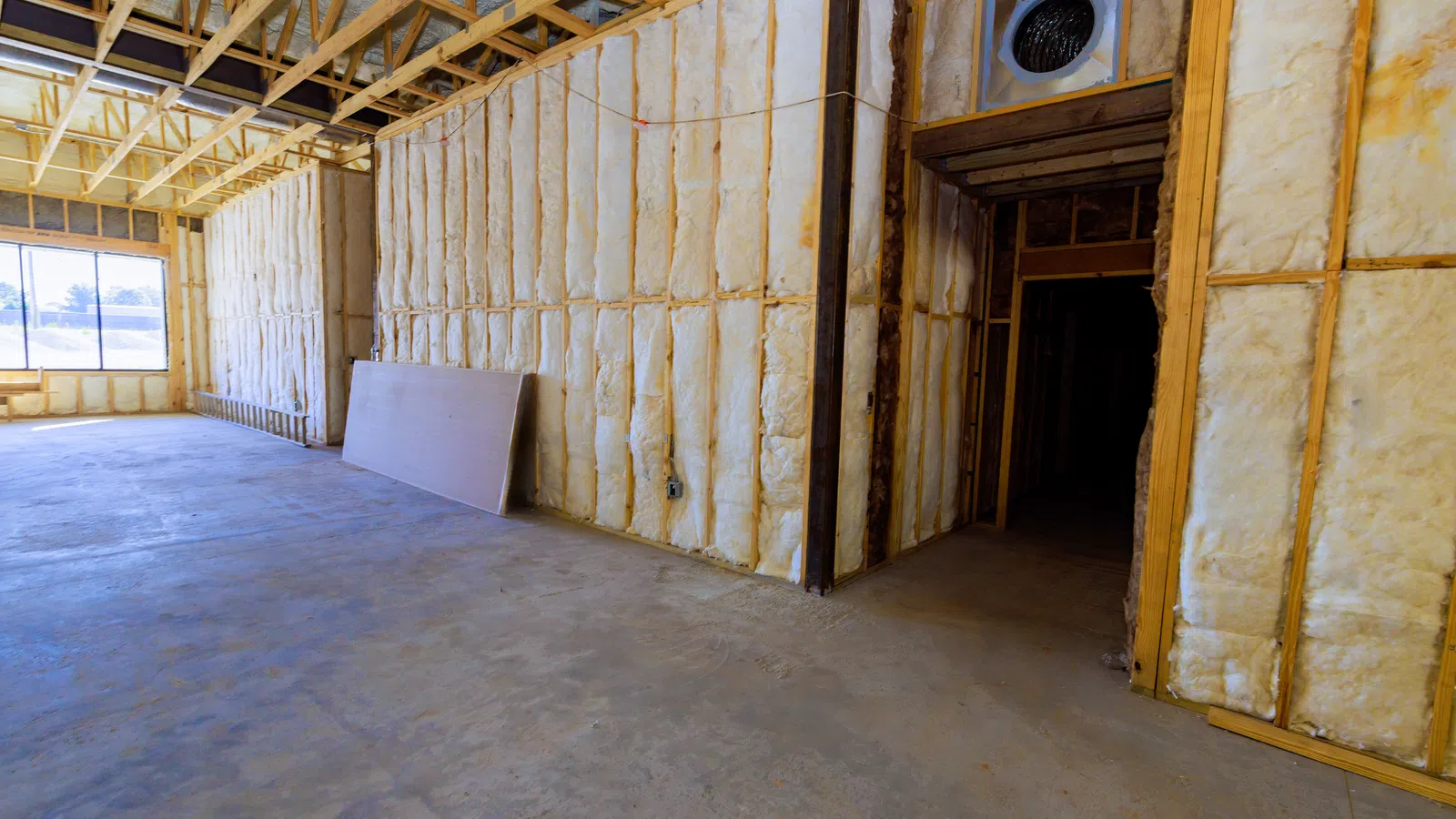
If one or two rooms in your Nashville home never warm up in winter, the problem is usually not your furnace or heat pump. It is almost always missing or thin insulation and air leaks around that specific room. Bonus rooms, corner bedrooms, and additions lose heat fastest because they have the most surfaces exposed to the outdoors.
You turn the thermostat up, the hallway gets toasty, and that back bedroom still feels like a basement. It is one of the most common complaints we hear from homeowners across Nashville, Brentwood, Hendersonville, and Murfreesboro once the first cold nights of November roll in.
The good news is that a cold room almost always has a cause you can find and fix. Here is what is usually going on, how to narrow it down, and what actually solves it.
Why Does One Room Feel Colder Than the Rest of the House?
Your heating system pushes warm air through the whole house, but every room loses that heat at a different speed. A room in the middle of the house, with conditioned space on every side, holds heat well. A room with two or three outside walls, a floor over a garage, or a ceiling right under the attic loses heat much faster.
When a room is losing heat faster than the vent can deliver it, it stays cold no matter where you set the thermostat. That is why cranking the heat rarely fixes the problem. It just makes the rest of the house too warm while the cold room stays cold.
The U.S. Department of Energy notes that heat moves from warmer spaces to cooler ones until there is no temperature difference, so any weak spot in your home's insulation becomes an escape route for the heat you are paying for. (energy.gov)
The Rooms Most Likely to Stay Cold in Nashville Homes
Some rooms are more likely to feel cold because of how they were built. If one of these sounds like your problem room, you are not alone.
Bonus Rooms Over the Garage
This is the number one cold room we see in Middle Tennessee. Bonus rooms in two-story homes around Franklin, TN, Brentwood, and Mount Juliet often have an unheated garage below, attic space on two sides, and sloped ceilings. That is a lot of surface area touching unconditioned air. If the garage ceiling or the knee walls were insulated poorly, or not at all, that room will fight you all winter.
Corner Bedrooms
A bedroom on the corner of the house has two exterior walls instead of one. In a pre-1980 ranch in Madison, Antioch, or Hermitage, those walls may have little or no insulation inside them. Twice the outside wall means twice the heat loss.
Additions and Sunrooms
Room additions are often built years after the original house, sometimes by a different builder with different standards. It is common to find additions with thin wall insulation, a poorly sealed connection to the main house, and a crawlspace or slab that was never insulated.
Rooms at the End of the Duct Run
A room far from the HVAC unit gets less airflow by the time the air reaches it. On its own that is a ductwork issue, but when that same room also has weak insulation, the combination makes it feel much colder than the rest of the house.
How to Tell What Is Making Your Room Cold
You do not need to open up a wall to start figuring this out. Try a few simple checks on a cold day.
- Feel the exterior walls. Put your hand flat on an outside wall, then on an inside wall in the same room. If the outside wall feels noticeably colder, the wall cavity is likely under-insulated.
- Check the outlets. Carefully feel around outlet and switch covers on exterior walls. A draft there usually means air is moving through an empty or poorly filled wall.
- Look at the floor. If the room sits over a garage or crawlspace and the floor feels cold underfoot, the floor system is probably losing heat.
- Look for dust lines. Gray streaks along carpet edges, baseboards, or around outlets often mark where outside air is being pulled in.
- Compare temperatures. Set a simple thermometer in the cold room and one in a comfortable room. A gap of more than a few degrees tells you the room is losing heat faster than it gets it.
These checks will not tell you everything, but they will help you describe the problem when you have your home inspected. A professional can use thermal imaging to see exactly where the heat is escaping without cutting into your walls.
What Actually Fixes a Cold Room?
The fix depends on where the heat is going. Most cold rooms need one or more of these improvements.
Where the Heat Is Escaping |
Common Signs |
Typical Fix
|
|---|---|---|
Exterior walls |
Cold walls, drafty outlets |
Injection foam wall insulation |
Attic above the room |
Cold ceiling, hot room in summer too |
Blown-in attic insulation |
Knee walls in a bonus room |
Cold sloped ceilings, drafts near storage doors |
Knee wall insulation and air sealing |
Floor over garage or crawlspace |
Cold floors |
Floor or garage ceiling insulation |
Gaps and cracks |
Dust lines, whistling drafts |
Air sealing |
Injection Foam for Cold Exterior Walls
If your walls are the problem, injection foam is usually the best option for an existing home. We fill the empty or partially filled wall cavities through small holes, then patch and finish them. There is no need to tear out drywall, and most homes are done in a day or two. For older Nashville homes with little original wall insulation, this is often the single biggest comfort upgrade you can make.
Topping Up the Attic
If the cold room sits under the attic, adding blown-in insulation over the ceiling can make a big difference. Many older homes around Nashville have attic insulation that has settled or was never deep enough to begin with.
Air Sealing the Gaps
Insulation slows heat transfer, but it does not stop moving air. Sealing gaps around top plates, can lights, attic hatches, and knee wall doors keeps cold air from slipping in and warm air from slipping out. Insulation and air sealing together give you the best result.
Why Fall Is the Right Time to Fix It
Nashville usually sees its first freeze in November, and the coldest stretch comes in January. Fixing a cold room in the fall means you get the comfort all winter instead of waiting through another season of space heaters and closed doors.
It also helps your heating bill. When one room is always cold, most families respond by turning up the whole house. Once that room holds its heat, you can bring the thermostat back down and still be comfortable.
Frequently Asked Questions
Why is my bonus room so cold in winter?
Bonus rooms over garages lose heat through the floor, the knee walls, and the sloped ceiling, all of which often touch unheated space. If any of those surfaces were insulated poorly or not sealed, the room will stay colder than the rest of the house.
Will a space heater fix a cold room?
A space heater can make the room bearable, but it does not fix why the room is cold. The heat still escapes through the same weak walls, floor, or ceiling, and you pay to run the heater on top of your regular heating system.
Can you insulate the walls of just one room?
Yes. Injection foam can be installed in specific walls or rooms, so you can target the problem area first. Many homeowners start with their coldest room and then decide whether to treat the rest of the house.
Does insulation help a cold room in summer, too?
Yes. The same missing insulation that lets heat escape in winter lets heat in during summer. Most rooms that are cold in January are also the hottest rooms in July.
How long does it take to insulate a cold room?
Most single-room projects are finished in a day. Whole-home injection foam jobs usually take one to two days depending on the size of the house.
Schedule a Free Cold Room Inspection in Nashville
If you have a room that never feels warm, we can help you find out why. USA Insulation offers free in-home inspections throughout Nashville, Brentwood, Franklin, TN, Murfreesboro, Hendersonville, Mount Juliet, and the surrounding area. We will check your walls, attic, and trouble spots, show you what we find, and recommend a fix that fits your home.
Call 615-263-3555 or request your free estimate online.
USA Insulation of Nashville
309 Plus Park Blvd Suite 255, Nashville, TN 37217